媒介影响下的食物与地方记忆——以松阳县南直老街为例
李霜宁:论文撰写、文献综述、图表制作、田野调查;韩舒蕊:资料整理、协助内容撰写、协助田野调查;黄 旭:论文构思、理论框架、写作指导、研究统筹。
|
李霜宁(1996—),女,江苏宿迁人,博士,主要研究方向为遗产保护、建筑人类学,(E-mail)shuangning.li@polimi.it; |
收稿日期: 2024-10-23
修回日期: 2025-01-12
网络出版日期: 2025-06-19
基金资助
国家自然科学基金面上项目(42371234)
教育部人文社会科学研究规划基金项目(21YJAZH030)
国家建设高水平大学公派研究生项目(202106190027)
Food and Local Memory Under Media Influence: A Case Study of the Nanzhi Street in Songyang County
Received date: 2024-10-23
Revised date: 2025-01-12
Online published: 2025-06-19
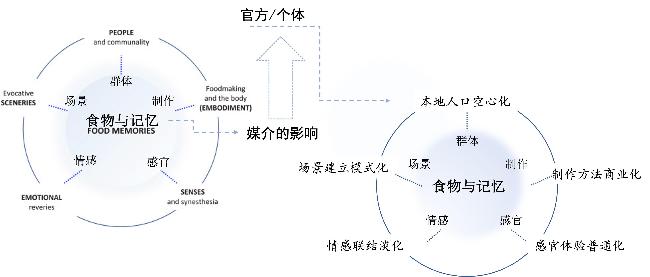
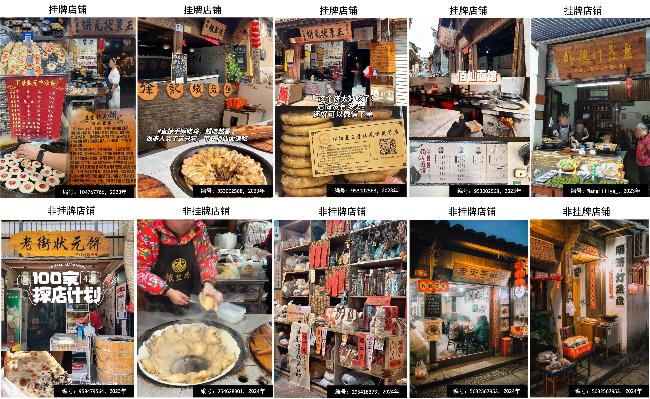
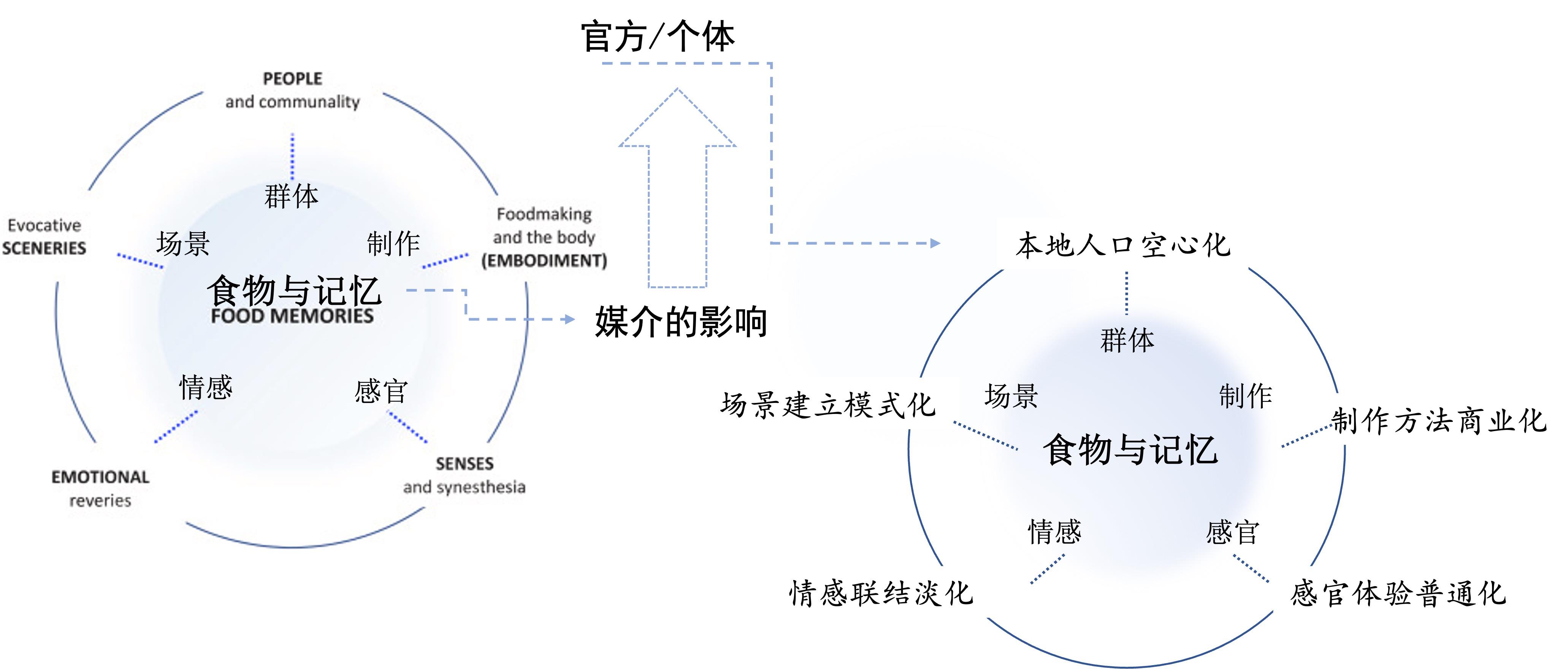
以松阳县南直老街为研究案例,通过田野调研收集图像和访谈资料,结合Lee的食物记忆五维理论,探讨媒介与商业化发展如何重塑传统食物与地方记忆的关系,重点分析人口空心化、制作方法商业化、感官体验普适化、情感联结淡化及场景模式化五大因素的作用机制,并提出媒介在其中作为关键中介的影响路径。结果表明:1)原住民流失,外来经营者虽保持情感联系但未能恢复社区氛围;2)挂牌与非挂牌店铺的场景风格差异,前者保持地方特色,后者受媒介影响趋向商业化;3)传统食物制作方法和感官体验因迎合消费需求而发生改变,游客与本地人对地方记忆的理解产生差异;4)媒介的介入削弱了食物与地方记忆的情感联结。文章揭示了在媒介介入食物和地方记忆后,南直老街出现的商业化与地方特色之间的矛盾,这强调了在城市转型过程中保留地方记忆和情感联结的重要性。
李霜宁 , 韩舒蕊 , 黄旭 . 媒介影响下的食物与地方记忆——以松阳县南直老街为例[J]. 热带地理, 2025 , 45(6) : 1094 -1106 . DOI: 10.13284/j.cnki.rddl.20240683
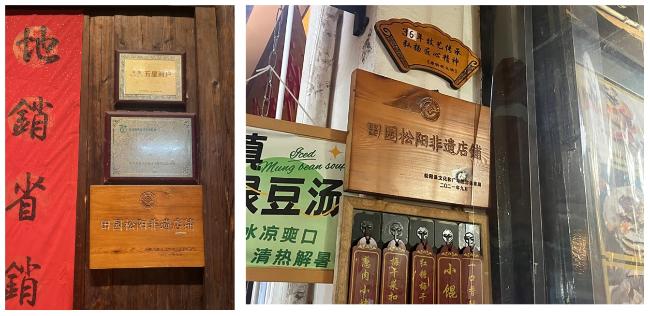
Using images and interview data from the Nanzhi Street in the Songyang County, combined with K.-S. Lee's five-dimensional theory of food memory, this study explores the impact of media and commercialization on traditional food and local memory. This work analyzes how five factors—population hollowing, commercialization of preparation methods, standardization of sensory experiences, weakening of emotional connections, and uniformity—affect the relationship between food and local memory. It also discusses the mediating role of media as an intermediary factor. The findings indicate: (1) Loss of native residents: The departure of native residents has led to external operators maintaining emotional ties but failing to restore the community atmosphere. The demographic shift in the Nanzhi Street has transformed local memory from the emotional memory of native residents to the commercial memory of external operators. Media has simultaneously enhanced commercial vitality and accelerated the commodification and symbolization of local memory; (2) Differences in shop styles: There is a clear distinction between the styles of registered and non-registered shops. Registered shops preserve local characteristics but tend toward symbolic traditional appearances under policy support and media influence, while non-registered shops cater to influencer-driven culture, leaning towards commercialization. This dual influence maintains commercial vitality but also speeds up the commodification of local memory, reflecting the tension between preserving local culture and pursuing commercial development; (3) Changes in traditional food and sensory experiences: The preparation methods and sensory experiences of traditional food have changed to meet consumer demands, leading to differences in how tourists and locals perceive local memory. Media's simplified narratives and excessive commercialization reduce the cultural depth of local cuisine, reinforce stereotypes, and overlook the importance of craftsmanship and deep-rooted culture. These shifts not only affect consumer perceptions but also undermine the authenticity and completeness of local memory. Additionally, under the influence of commerce and media, traditional food has become increasingly standardized, with weakened artisanal techniques and local characteristics. Younger consumers are more exposed to adapted, standardized flavors, further simplifying the cultural essence of local cuisine and diminishing its role in cultural diversity and regional identity; (4) Impact of media on emotional connections: Media's influence on emotional connections is dual-faceted. For locals, private memories are made public, transforming traditional food from a familial emotional symbol into a symbol of local culture. For tourists, media transforms local memory into a commodified and emotionalized product, replacing personal connections with consumer-driven experiences. This shift reflects the commercialization of local memory and highlights the disconnect in emotional ties between locals and tourists, as private memories are gradually replaced by mass-consumption emotions. The work reveals the conflict between commercialization and local characteristics in the Nanzhi Street under media and policy guidance, emphasizing the importance of preserving local memory and emotional connections during urban transformation.
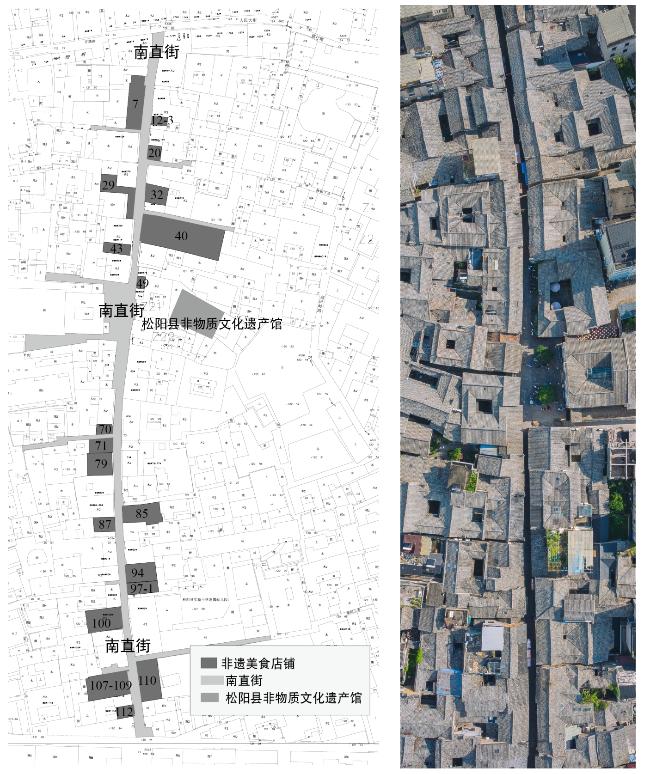
表 1 南直老街售卖传统美食的店铺的基本情况Table 1 Basic information of the interviewed shops in Nanzhi Street |
| 编号 | 地址编码 | 店铺编码 | 售卖的传统食物 | 类型 | 是否挂牌 |
|---|---|---|---|---|---|
| 1 | 7号 | A | 清明粿 | 本地人 | 否 |
| 2 | 12-3号 | B | 麻撅儿 | 本地人 | 否 |
| 3 | 29号 | C | 状元饼 | 本地人 | 是 |
| 4 | 32号 | D | 手工麻糍 | 本地人 | 否 |
| 5 | 40号 | E | 水牵面 | 本地人 | 是 |
| 6 | 43号 | F | 烤茶 | 外地人 | 是 |
| 7 | 49号 | G | 手工月饼 | 本地人 | 否 |
| 8 | 70号 | H | 茶叶 | 本地人 | 否 |
| 9 | 71号 | I | 蛋黄肉粽 | 本地人 | 否 |
| 10 | 79号 | J | 灯盏盘 | 本地人 | 是 |
| 11 | 85号 | K | 手工麻花 | 本地人 | 是 |
| 12 | 87号 | L | 煨盐鸡 | 本地人 | 是 |
| 13 | 94号 | M | 手擀面 | 本地人 | 否 |
| 14 | 97-1号 | N | 手工月饼 | 本地人 | 否 |
| 15 | 100号 | O | 山粉饺 | 本地人 | 是 |
| 16 | 107-109号 | P | 煨盐鸡 | 本地人 | 否 |
| 17 | 110号 | Q | 灯盏盘 | 本地人 | 否 |
| 18 | 112号 | R | 端午茶 | 本地人 | 否 |
| 19 | 20号 | S | 茶叶 | 本地人 | 否 |
表 2 松阳南直老街半结构访谈对象基本信息Table 2 Basic information of semi-structured interviewees in the Nanzhi Street |
| 访谈对象 | 编号 | 性别 | 职业 | 访谈对象 | 编号 | 性别 | 职业 |
|---|---|---|---|---|---|---|---|
| 本地经营者 | B01 | 女 | 店铺J老板 | 游客 | YK01 | 男 | 自驾游客 |
| B02 | 女 | 店铺M老板娘 | YK02 | 男 | 自驾游客 | ||
| B03 | 男 | 店铺M老板 | YK03 | 男 | 自驾游客 | ||
| B04 | 女 | 店铺A老板 | YK04 | 女 | 自驾游客 | ||
| B05 | 男 | 店铺R老板 | YK05 | 女 | 自驾游客 | ||
| B06 | 男 | 店铺R员工 | YK06 | 女 | 自驾游客 | ||
| B07 | 男 | 店铺K老板 | YK07 | 女 | 零散游客 | ||
| 原住居民 | Y01 | 男 | 店铺E老板 | YK08 | 男 | 探店网红 | |
| Y02 | 女 | 店铺E老板娘 | YK09 | 女 | 零散游客 | ||
| Y03 | 女 | 店铺E员工 | YK10 | 男 | 摄影爱好者 | ||
| Y04 | 女 | 店铺E员工 | YK11 | 男 | 摄影爱好者 | ||
| Y05 | 女 | 店铺E员工 | YK12 | 男 | 摄影爱好者 | ||
| Y06 | 女 | 店铺C老板 | YK13 | 女 | 骑行爱好者 | ||
| Y07 | 女 | 店铺C老板姐姐 | YK14 | 女 | 徒步爱好者 | ||
| Y08 | 男 | 店铺L老板 | 其他工作者 | Q01 | 女 | 建筑设计师 | |
| Y09 | 女 | 店铺Q老板 | Q02 | 女 | 建筑设计师 | ||
| Y10 | 女 | 店铺A老板 | Q03 | 女 | 遗产保护专业博士生 | ||
| 外来经营者 | W01 | 男 | 店铺F老板 | Q04 | 女 | 遗产保护专业博士生 | |
| W02 | 男 | 店铺F员工 | Q05 | 女 | 人文地理专业本科生 | ||
| 社区管理员 | S01 | 女 | 文化馆工作人员 | Q06 | 男 | 某猫咖工作人员 | |
| S02 | 女 | 文化馆工作人员 | Q07 | 男 | 某猫咖工作人员 | ||
| S03 | 女 | 文化馆工作人员 | Q08 | 女 | 自媒体运行者 | ||
| S04 | 男 | 建设局工作人员 | Q09 | 男 | 退休建筑工程师 | ||
| S05 | 女 | 民宿办工作人员 | |||||
| S06 | 男 | 文旅局工作人员 | |||||
| S07 | 女 | 文旅局工作人员 |
|
表3 松阳南直老街在媒介和官方平台的热帖及高频词Table 3 The trending posts and high-frequency keywords about Nanzhi Street on Little Red Book App. |
| 序号 | 标题 | 平台编号/发表年份 | 高频词1 | 高频词2 | 高频词3 |
|---|---|---|---|---|---|
| 1 | 逃离城市│探寻1800年松阳老街魅力! | 865576010/2023 | 老街 | 状元饼 | 保留 |
| 2 | 松阳│南直老街│遇见小城烟火气 | 5032567953/2024 | 佰仙面馆 | 手擀面 | 状元饼 |
| 3 | 松阳古城最繁华的一条街,历经百年不衰。 | 548334193/2022 | 老街 | 南直 | 繁华 |
| 4 | 松阳明清古街|安陵容老家活着的农耕文化 | 493431941/2022 | 老街 | 生活 | 在这 |
| 5 | 丽水松阳最推荐的一条古街——南直老街 | 102051077/2021 | 古街 | 老街 | 煨鸡 |
| 6 | 松阳老街好像还生活在“旧时光”里 | 914197919/2024 | 老街 | 松阳 | 历史 |
| 7 | 前市后居,行走在人文纪实中的松阳老街 | 295606694/2024 | 老街 | 松阳 | 美食 |
| 8 | 江浙沪亲子游|松阳南直老街篇 | 1011415321/2023 | 状元饼 | 煨盐鸡 | 灯盏盘 |
| 9 | 慢走这条平和古韵的千年古街|松阳南直老街 | 944889819/2021 | 老街 | 明清 | 店铺 |
| 10 | 松阳老街|City Walk | 481373460/2023 | 震惊 | 商业化 | 打卡 |
| 11 | 国庆不宅家|所有景区老街都长一样?—松阳 | 797013844/2021 | 老街 | 手艺 | 老样子 |
| 12 | 最后的江南秘境 | 本地人带你游松阳(下篇) | 100051797/2023 | 小吃 | 明清古街 | 街边小吃 |
| 13 | 丽水松阳|美食攻略合集来啦!!! | 297957715/2024 | 松阳 | 好吃 | 很入味 |
| 14 | 松阳|老街里的排队大王,酒糟大肠面嘎嘎好吃 | 1018927671/2023 | 面馆 | 排队 | 浇头 |
| 15 | 一条持续了千年的巷弄,是怎样「活」着的? | 松阳文旅/2024 | 老街 | 食物 | 地方记忆 |
| 16 | 一半烟火一半至味,竟然都藏在这些时光也带不走的老街小巷子里! | 浙江文旅资讯/2021 | 寻味老街 | 烟火气 | 地方记忆 |
| 17 | 灰墙青瓦、历史遗韵,来丽水寻找“活着的清明上河图”! | 丽水文旅/2021 | 老街 | 传统生活缩影 | 烟火气 |
|
1 松阳城区商铺租金走势图. 丽水松阳松阳城区门面日租金价格,松阳城区商铺租赁均价-58同城网(2019-2024). [2025-01-10]. https://lishui.58.com/fangjia/shangpuzujin-songyangqu-sycqls/.
2 来源(田野笔记,社区管理员,编号S07):“没有文件指示,因为老街是全国非遗旅游街区,然后松阳县是浙江省的田园文化传承生态保护区,按照老街现有的店铺以及松阳非遗名录,同时根据街道的推荐进行挂牌的。主要还是根据现有的非遗名录里面,街道是否推荐也是按照名录里面来的。”名录涉及附件参考链接:松阳新增14位市级非遗代表性传承人. https://www.lishui.gov.cn/art/2023/7/7/art_1229268114_57347948.html.
3 关于印发《松阳县非物质文化遗产代表性传承人补贴实施暂行办法》的通知. https://www.songyang.gov.cn/art/2021/3/10/art_1229427625_2247469.html.
|
Björk P and Kauppinen Räisänen H. 2016. Exploring the Multi-Dimensionality of Travellers' Culinary-Gastronomic Experiences. Current Issues in Tourism, 19(12): 1260-1280.
|
|
Boniface B and Cooper C. 2009. Worldwide Destinations: The Geography of Travel and Tourism. London: Routledge.
|
|
蔡晓梅,刘晨,曾国军. 2013. 社交媒体对广州饮食文化空间的建构与重塑. 人文地理,28(6):1-8.
Cai Xiaomei, Liu Chen, and Zeng Guojun. 2013. The Construction and Re-Construction of Food Cultural Spaces in Guangzhou by the Social Media. Human Geography, 28(6): 1-8.
|
|
Chambers S, Lobb A, Butler L, Harvey K, and Traill W B. 2007. Local, National, and Imported Foods: A Qualitative Study. Appetite, 49(1): 208-213.
|
|
Chang R C Y and Mak A H N. 2018. Understanding Gastronomic Image from Tourist's Perspective: A Repertory Grid Approach. Tourism Management, 68: 89-100.
|
|
Connerton Paul. 1989. How Societies Remember. Cambridge:Cambridge University Press.
|
|
Ellis A, Park E, Kim S, and Yeoman I. 2018. What Is Food Tourism? Tourism Management, 68: 250-263.
|
|
Halbwachs Maurice. 1992. On Collective Memory. Chicago: University of Chicago Press.
|
|
何金廖,王先鹏,孔翔. 2022. 多维视角下中国饮食的地理学解读——以《舌尖上的中国》中的美食为例. 人文地理,37(1):36-45.
He Jinliao, Wang Xianpeng, and Kong Xiang. 2022. Geographical Interpretations of Chinese Food with a Multidimensional Perspective: A Content Analysis of "A Bite of China". Human Geography, 37(1): 36-45.
|
|
Ïnce G B. 2014. Digital Culture, New Media and The Transformation of Collective Memory. İletişim, 21: 9-29.
|
|
Kim S and Ellis A. 2015. Noodle Production and Consumption: From Agriculture to Food Tourism in Japan. Tourism Geographies, 17(1): 151-167.
|
|
Kim S and Iwashita C. 2016. Cooking Identity and Food Tourism: The Case of Japanese Udon Noodles. Tourism Recreation Research, 41(1): 89-100.
|
|
刘瑞宽,李同升,常芳,李九全,陆媛媛. 2024. 带你回故乡:食物唤醒了“地方”的记忆?——基于脱域机制和媒介地理的分析. 热带地理,44(8):1475-1486.
Liu Ruikuan, Li Tongsheng, Chang Fang, Li Jiuquan, and Lu Yuanyuan. 2024. Take You Back to Hometown: Does Food Awaken Memories of "Place"? — Analysis Based on Disembedding Mechanism and Media Geography. Tropical Geography, 44(8): 1475-1486.
|
|
Lee Kai-Sean. 2023. Cooking up Food Memories: A Taste of Intangible Cultural Heritage. Journal of Hospitality and Tourism Management, 54: 1-9.
|
|
Longhurst Robyn, Johnston Lynda, and Ho Elsie. 2009. A Visceral Approach: Cooking "at Home" with Migrant Women in Hamilton, New Zealand. Transactions of the Institute of British Geographers, 34(3): 333-345.
|
|
骆正林. 2019. 作用、任务、原则:大数据时代媒介传播对社会记忆的建构. 阅江学刊,11(6):5-14,117. [Luo Zhenglin. 2019. Media Communication and Writing of Social Memory in the Age of Big Data. Yuejiang Academic Journal, 11(6): 5-14, 117. ]
|
|
Megicks P, Memery J, and Angell R J. 2012. Understanding Local Food Shopping: Unpacking the Ethical Dimension. Journal of Marketing Management, 28(3/4): 264-289.
|
|
Perullo N. 2016. Taste as Experience: The Philosophy and Aesthetics of Food. New York: Columbia University Press, 5.
|
|
彭兆荣. 2013. 饮食人类学. 北京:北京大学出版社,76-89. [Peng Zhaorong. 2013. The Anthropology of Food. Beijing: Peking University Press, 76-89. ]
|
|
Tuan Y F. 1977. Space and Place: The Perspective of Experience. Minneapolis: Minnesota University Press, 3-19.
|
|
杨亮,曾国军,张杨. 2023. 地方餐厅的无地方性机理研究——以广东河源客家菜餐厅为例. 热带地理,43(7):1377-1389.
Yang Liang, Zeng Guojun, and Zhang Yang. 2023. Placelessness Mechanism of Local Restaurants: A Case Study of Heyuan Hakka Restaurant in Guangdong Province. Tropical Geography, 43(7): 1377-1389.
|
|
杨国鹏,王鑫. 2021. 以食为媒:情感体验、集体记忆与跨文化传播的物质向度. 文化研究,(1):119-133.
Yang Guopeng and Wang Xin. 2021. Using Food as a Medium: Emotional Experience, Collective Memory, and the Material Dimension of Cross-Cultural Communication. Cultural Studies, (1): 119-133.
|
|
战令琦. 2018. 场景化叙事与符号化传播——以纪录片《舌尖上的中国3》为例. 当代电视,33(6):63-64.
Zhan Lingqi. 2018. Scene-Based Narration and Symbolic Communication: A Case Study of the Documentary A Bite of China 3. Contemporary TV, 33(6): 63-64.
|
/
| 〈 |
|
〉 |