英格尔德栖居视角下城市疗愈景观研究
张蔼恒:论文构思、研究设计、数据收集与分析、论文撰写与修改、基金支持;
孙九霞:提供选题方向、内容提升、基金支持。
|
张蔼恒(1986—),女,广东广州人,博士,副教授,硕士生导师,主要研究方向为旅游与社会发展、语言景观、跨族群交往等,(E-mail)zhangah@gdufs.edu.cn; |
收稿日期: 2025-01-03
修回日期: 2025-06-19
网络出版日期: 2025-10-21
基金资助
广州市哲学科学社会发展“十三五”规划项目(2019GZYB46)
国家社科基金重大项目(22&ZD190)
Research on Urban Therapeutic Landscapes from Ingold's Dwelling Perspective
Received date: 2025-01-03
Revised date: 2025-06-19
Online published: 2025-10-21
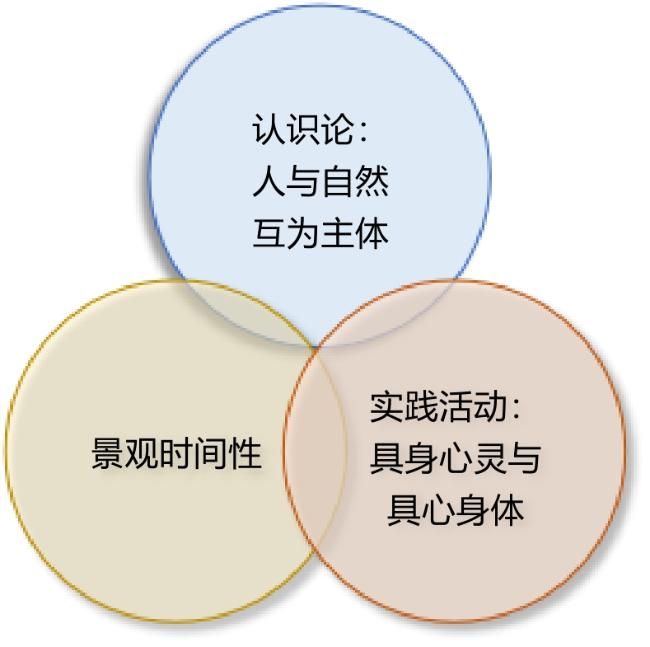
在加速社会中,城市青年对疗愈景观的需求更为凸显。文章以广州社区中的一处疗愈景观作为研究对象,从英格尔德的栖居视角解读这处景观的疗愈性构建过程与城市青年的感知。结果发现为:1)景观的疗愈性产生于共栖共生的认识论。栖居视角认为人文和自然并不是二分的,人与自然互动并在时间过程中相互影响并变化是栖居意义的重要认识论立场。在疗愈景观构建与感知过程中,这种立场贯彻始终。2)身心实践与景观时间性共同构建与感知疗愈景观。具身心灵与具心身体是英格尔德对栖居实践二位一体的解读。这种融合身心的实践活动是疗愈景观得以构建与感知的关键,栖居意义在身心合一、并与环境互动的实践中产生。景观时间性中的任务场景促进城市青年在与人与物的共鸣中获得疗愈性。城市青年不是疗愈景观被动感知的对象,他们在认识上与实践上都主动参与,是疗愈景观的共同构建者。基于共栖认识论与共建实践,英格尔德的栖居视角将认识论与时间性纳入疗愈景观讨论中,打破“被动”疗愈,以更互动的角度解读城市青年抵抗异化的积极行动。
张蔼恒 , 孙九霞 . 英格尔德栖居视角下城市疗愈景观研究[J]. 热带地理, 2025 , 45(11) : 2038 -2052 . DOI: 10.13284/j.cnki.rddl.20250006
In the context of an accelerating society, young individuals in contemporary cities face mounting psychological pressures and existential anxiety. This has led to an increasing demand for environments that offer therapeutic relief and emotional refuge. This study takes the "Time-Farm," an urban green space, as a case study to explore the construction of urban therapeutic landscapes, the perception of young individuals, and the ontological and epistemological foundations of healing. Drawing on Tim Ingold's dwelling perspective, this study examines epistemologies of human-nature relations, embodied and enmined practices, and the temporality of landscapes to propose a multidimensional analytical framework. This framework serves to interpret how landscapes can be healing for youth and offers a new explanatory approach for reconstructing subjectivity in an accelerated society. The findings suggest that therapeutic landscapes are not simply the result of static natural environments but are co-constructed through a relational epistemology that views human and non-human life as interdependent, cohabiting participants. In the Time-Farm, the therapeutic effect of space emerges from its founders' intentional rejection of anthropocentrism. Plants are not regarded as decorative objects but as co-dwelling beings with agency. Through sustained interaction and affective care, caregivers' non-representational practices fostered a shared coexistence epistemology that resonated with urban youths. As youth began to participate in the maintenance and experience of the space, their involvement signaled bodily engagement and an epistemic transformation: therapeutic feeling required the recognition of human–nature interdependence. This shift in understanding is a necessary precondition of ecological connections and emotional resonance. Moreover, the therapeutic process is deeply embedded in the convergence of embodied and enmined practices and temporal rhythms of the landscape. The young participants engaged in sensory-rich, emotionally resonant activities that activated bodily awareness and relational connections to a place. The therapeutic effect does not occur as an immediate experience but rather unfolds over time through repeated interactions, seasonal cycles, and the slow growth of living organisms. The temporality of the landscape mirrors the rhythms of individual transformations and supports sustained therapeutic effects. Theoretically, this study challenges the reductive paradigm that equates therapeutic effects solely with environmental conditions. Instead, it proposes a relational and procedural approach integrating epistemology, embodiment, and temporality. By employing Ingold's dwelling perspective, this study provides an interpretive tool rooted in environmental anthropology for understanding therapeutic landscapes. Practically, it offers insights for designing urban green spaces: therapeutic environments must move beyond the mere presence of greenery to foster relational understanding, embodied participation, and long-term interaction.As an urban green space, the Time-Farm demonstrates how therapeutic landscapes can be cultivated through cohabitative epistemology, integrated mind-body practices, and sustained care. The model of a "human-environment-life community" provides an ecologically holistic perspective on landscape-making and offers a fertile direction for theoretical innovation in future therapeutic landscape research.
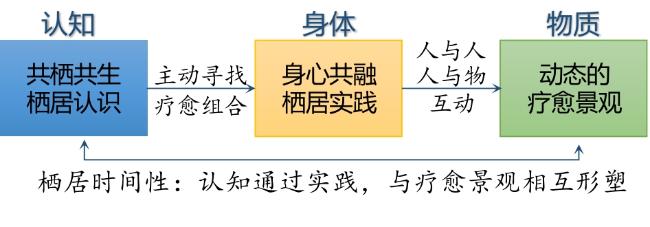
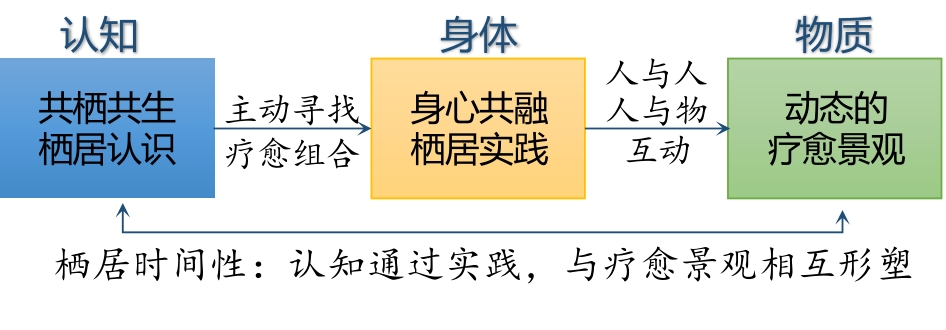
图1 英格尔德的栖居视角 Fig.1 Ingold's Dwelling Perspective |
表1 受访者基本信息Table 1 Basic information of interviewees |
| 序号 | 编码 | 性别 | 年龄/岁 | 备注 |
|---|---|---|---|---|
| 1 | HM-01 | 男 | 40 | 店主,主要负责店内植物与音乐教室。 |
| 2 | HF-01 | 女 | 39 | 店主,主要负责店内咖啡茶饮业务 |
| 3 | CM-01 | 男 | 39 | 室内设计师、公众号速写广州创办人,在绿至小院组织几次写生活动 |
| 4 | CF-01 | 女 | 42 | 小院咖啡茶饮顾客,自雇人士,关注自然与艺术 |
| 5 | CF-02 | 女 | 38 | 小院咖啡茶饮顾客,外企人员(负责CSR) |
| 6 | CF-03 | 女 | 38 | 小院咖啡茶饮顾客,外企人员(负责CSR,PR) |
| 7 | CF-04 | 女 | 39 | 小院咖啡茶饮顾客,广州市少年宫特殊教育老师 |
| 8 | GF-01 | 女 | 38 | 泮塘五约招商工作人员(政府部门) |
| 9 | CM-02 | 男 | 40 | 小院咖啡茶饮顾客,茶叶店经营者 |
| 10 | CF-05 | 女 | 16 | 小院咖啡茶饮顾客,中学生 |
| 11 | CF-06 | 女 | 36 | 小院咖啡茶饮顾客,瑜伽老师,附近社区居民 |
| 12 | CM-04 | 男 | 40 | 小院咖啡茶饮顾客,企业员工,附近社区居民 |
| 13 | CM-05 | 男 | 41 | 小院咖啡茶饮顾客,网络平台运营者,本地居民 |
| 14 | CF-07 | 女 | 37 | 小院咖啡茶饮顾客,企业员工,本地居民 |
| 15 | CF-08 | 女 | 36 | 小院咖啡茶饮顾客,企业员工,本地居民 |
| 16 | CM-06 | 男 | 36 | 小院咖啡茶饮顾客,企业员工,本地居民 |
| 17 | MF-01 | 女 | 25 | 周末音乐会听众,外地游客 |
| 18 | CF-09 | 女 | 30 | 小红书MCM公司,本地居民 |
| 19 | MM-01 | 男 | 42 | 周末音乐会听众,小院咖啡茶饮顾客,本地居民 |
| 20 | MF-02 | 女 | 36 | 周末音乐会听众,小院咖啡茶饮顾客,本地居民 |
|
白美妃. 2017. 超越自然与人文的一种努力——论英格尔德的“栖居视角”. 青海民族大学学报(社会科学版),43(4):54-59.
Bai Meifei. 2017. An Effort to Transcend Nature and Humanities—On Ingold's "Dwelling Perspective". Journal of Qinghai Nationalities University(Social Sciences Edition), 43(4): 54-59.
|
|
Bates L, Kearns R, Witten K, and Carroll P. 2019. 'A Level Playing Field': Young People's Experiences of Wheelchair Basketball as an Enabling Place. Health & Place, 60: 102192.
|
|
Bell S L, Foley R, Houghton F, Maddrell A, and Williams A M. 2018. From Therapeutic Landscapes to Healthy Spaces, Places and Practices: A Scoping Review. Social Science & Medicine, 196(1): 123-130.
|
|
Biglin J. 2020. Embodied and Sensory Experiences of Therapeutic Space: Refugee Place-Making within an Urban Allotment. Health & Place, 62: 102309.
|
|
Buller H. 2012. Nourishing Communities: Animal Vitalities and Food Quality. In: Birke L and Hockenhull J. Crossing Boundaries: Investigating Human-Animal Relationships. Leiden: Brill, 51-72.
|
|
Butterfield A and Martin D. 2016. Affective Sanctuaries: Understanding Maggie's as Therapeutic Landscapes. Landscape Research, 41(6): 695-706.
|
|
蔡晓梅,刘美新. 2019. 后结构主义背景下关系地理学的研究进展. 地理学报,74(8):1680-1694.
Cai Xiaomei and Liu Meixin. 2019. Research Progress of Relational Geography in the Context of Post-Structuralism. Acta Geographica Sinica, 74(8): 1680-1694.
|
|
蔡晓梅,黄玉玲,曹婧,张博. 2023. 太极疗愈拼装物的建构过程:一个实证研究探索. 地理研究,42(5):1163-1176.
Cai Xiaomei, Huang Yuling, Cao Jing, and Zhang Bo. 2023. The Construction Process of Taiji Healing Assemblages: An Empirical Study. Geographical Research, 42(5): 1163-1176.
|
|
曹国东,毛瑀涵. 2024. 流动的“灵韵”:当代青年的城市漫游与生活共同体建构. 中国青年研究,(6):85-92,101.
Cao Guodong and Mao Yihan. 2024. The Flow of "Aura": Urban Wandering and Construction of Life Community among Contemporary Youth. Chinese Youth Studies, (6): 85-92, 101.
|
|
陈向明. 2011. 质的研究方法与社会科学研究. 北京:教育科学出版社.
Chen Xiangming. 2000. Qualitative Research Methods and Social Science Research. Beijing: Educational Science Press.
|
|
程德兴,罗飞宁. 2023. 精致露营现象的社会学分析. 中国青年社会科学,42(1):82-90.
Cheng Dexing and Luo Feining. 2023. A Sociological Analysis of the Glamping Phenomenon. Journal of Chinese Youth Social Science, 42(1): 82-90.
|
|
Conradson D. 2005. Landscape, Care and the Relational Self: Therapeutic Encounters in Rural England. Health & Place, 11(4): 337-348.
|
|
Davidson J. 2000. The World was Getting Smaller: Women, Agoraphobia and Bodily Boundaries. Area, 32(1): 31-40.
|
|
Finlay J, Franke T, McKay H, and Sims-Gould J. 2015. Therapeutic Landscapes and Wellbeing in Later Life: Impacts of Blue and Green Spaces for Older Adults. Health & Place, 34: 97-106.
|
|
Foley R. 2011. Performing Health in Place: The Holy Well as a Therapeutic Assemblage. Health & Place, 17(2): 470-479.
|
|
Foley R. 2015. Swimming in Ireland: Immersions in Therapeutic Blue Space. Health & Place, 35: 218-225.
|
|
Gesler W M. 1992. Therapeutic Landscapes: Medical Issues in Light of the New Cultural Geography. Social Science & Medicine, 34(7): 735-746.
|
|
Gesler W M. 1993. Therapeutic Landscapes: Theory and a Case Study of Epidauros, Greece. Environment and Planning D. Society and Space, 11(2): 171-189.
|
|
Gesler W M 1996. Lourdes: Healing in a Place of Pilgrimage. Health & Place, 2(2): 95-105.
|
|
Gorman R. 2017. Therapeutic Landscapes and Non-Human Animals: The Roles and Contested Positions of Animals within Care Farming Assemblages. Social & Cultural Geography, 18(3): 315-335.
|
|
Hansmann R, Hug S M, and Seeland K. 2007. Restoration and Stress Relief through Physical Activities in Forests and Parks. Urban Forestry & Urban Greening, 6(4): 213-225.
|
|
河合洋尚,周星. 2015. 景观人类学的动向和视野. 广西民族大学学报(哲学社会科学版),37(4):44-59.
Kawai Hiroya and Zhou Xing. 2015. Trends and Perspectives of Landscape Anthropology. Journal of Guangxi University for Nationalities(Philosophy and Social Sciences Edition), 37(4): 44-59.
|
|
侯晓蕾. 2019. 基于社区营造的城市公共空间微更新探讨. 风景园林,26(6):8-12.
Hou Xiaolei. 2019. Exploration on the Micro-Renewal of Urban Public Space Based on Community Building. Landscape Architecture, 26(6): 8-12.
|
|
黄振鹏,杨玉仁. 2023. 青年时间焦虑:时间隐喻与防御建构. 青年学报,(4):99-106.
Huang Zhenpeng and Yang Yuren. 2023. Youth Time Anxiety: Time Metaphors and Defensive Construction. Youth Journal, (4): 99-106.
|
|
Ingold T. 1987. The Appropriation of Nature: Essays on Human Ecology and Social Relations. Manchester: Manchester University Press.
|
|
Ingold T. 2000. The Perception of the Environment. London: Routledge.
|
|
Ingold T. 2011. Being Alive: Essays on Movement, Knowledge and Description. London: Routledge.
|
|
Ingold T. 2016. A Naturalist Abroad in the Museum of Ontology: Philippe Descola's Beyond Nature and Culture. Anthropological Forum, (3): 301-320.
|
|
Jackson P. 2000. Rematerializing Social and Cultural Geography. Social & Cultural Geography, 1(1): 9-14.
|
|
蒋宁平,杜京蔓,王邵佳. 2023. 漫游:加速社会青年群体的减速实践. 中国青年研究,(2):69-75.
Jiang Ningping, Du Jingman, and Wang Shaojia. 2023. Wandering: Deceleration Practice of Youth Groups in Accelerated Society. Chinese Youth Studies, (2): 69-75.
|
|
Lee A C and Maheswaran R. 2011. The Health Benefits of Urban Green Spaces: A Review of the Evidence. Journal of Public Health, 33(2): 212-222.
|
|
雷开春. 2024. 青年“佛系”亚文化的成因、特点和潜在风险——以“青年养老院”现象为例. 人民论坛,(12):100-103.
Lei Kaichun. 2024. The Causes, Characteristics and Potential Risks of Youth "Buddhist" Subculture—Taking the "Youth Nursing Home" Phenomenon as an Example. People's Forum, (12): 100-103.
|
|
李芃. 2021. 另一种公共空间——广州泮塘五约村微改造初探. 美术学报,(1):123-128.
Li Peng. 2021. Another Public Space—Initial Exploration of the Micro-Regeneration of Puntong Wuyue Village in Guangzhou. Fine Arts Journal, (1): 123-128.
|
|
李威宜. 2021. 环境人类学方法论的探索:与Tim Ingold对话. 台湾人类学刊,19(2):1-8.
Li Weiying. 2021. Exploration of Environmental Anthropology Methodology: Dialogue with Tim Ingold. Taiwan Journal of Anthropology, 19(2): 1-8.
|
|
林益仁. 2021. 我在泰雅生态农耕叙事中的走动:对 Tim Ingold 的呼应. 台湾人类学刊,19(2):9-56. [Lin Yiren. 2021. My Walking in the Tayal Ecological Farming Narrative: A Response to Tim Ingold. Taiwan Journal of Anthropology, 19(2): 9-56. ]
|
|
刘正爱. 2016. 景观意味着什么?——从河合洋尚《景观人类学的课题》谈起. 广西民族大学学报(哲学社会科学版),38(1):86-91.
Liu Zhengai. 2016. What Does Landscape Mean?—Starting from Kawai Hiroya's "Themes of Landscape Anthropology". Journal of Guangxi University for Nationalities(Philosophy and Social Sciences Edition), 38(1): 86-91.
|
|
陆熹,埃卡特・兰格. 2021. 参与式社区更新中的利益相关方特征和互动研究——以广州泮塘五约为例. 风景园林,28(9):24-30.
Lu Xi and Eckart Lange. 2021. Stakeholder Characteristics and Interactions in a Participatory Community Renewal Project: A Case Study of Puntong Wuyue Village, Guangzhou. Landscape Architecture, 28(9): 24-30.
|
|
罗萨 H. 2018. 新异化的诞生——社会加速批判理论大纲. 郑作彧,译. 上海:上海人民出版社.
Rosa H. 2018. The Birth of New Alienation—Outline of Social Acceleration Critical Theory. Zheng Zuoyu, Trans. Shanghai: Shanghai People's Publishing House.
|
|
Lorimer H. 2005. Cultural Geography: The Busyness of Being 'More-than-Representational'. Progress in Human Geography, 29(1): 83-94.
|
|
吕鹤颖. 2021. 躺平:加速社会青年代际的感性减速. 探索与争鸣,(12):22-24.
Lü Heying. 2021. Lying Flat: The Sensory Deceleration of Youth Generations in Accelerated Society. Exploration and Contention, (12): 22-24.
|
|
马俊峰,马乔恩. 2019. “社会加速”与“美好生活”之间的张力与超越——基于马克思主义资本批判逻辑的分析. 南京大学学报(哲学·人文科学·社会科学),(6):14-22.
Ma Junfeng and Ma Qiao’en. 2019. The Tension and Transcendence between "Social Acceleration" and "Good Life"—Analysis Based on the Marxist Logic of Capital Critique. Journal of Nanjing University(Philosophy, Humanities and Social Sciences), (6): 14-22.
|
|
马中红. 2021. “躺平”:抵御深度异化的另类姿势. 探索与争鸣,(12):54-62,178.
Ma Zhonghong. 2021. "Lying Flat": An Alternative Posture to Resist Deep Alienation. Exploration and Contention, (12): 54-62, 178.
|
|
苗翠翠. 2020. 当代社会的异化新形态——罗萨“社会加速逻辑批判”论析. 国外理论动态,(4):28-36.
Miao Cuicui. 2020. New Forms of Alienation in Contemporary Society—Analysis of Rosa's "Critique of Social Acceleration Logic". Foreign Theory Dynamics, (4): 28-36.
|
|
Milligan C, Gatrell A, and Bingley A. 2004. 'Cultivating Health': Therapeutic Landscapes and Older People in Northern England. Social Science & Medicine, 58(9): 1781-1793.
|
|
穆佳玮,张艳斌. 2024. 青年“寺庙游”现象的表征、成因及引导. 理论导刊,(9):84-90.
Mu Jiawei and Zhang Yanbin. 2024. The Representation, Causes and Guidance of Youth "Temple Tourism" Phenomenon. Theoretical Journal, (9): 84-90.
|
|
Philo C. 2014. Insecure Bodies/Selves: Introduction to Theme Section. Social & Cultural Geography, 15(3): 284-290.
|
|
Ruiz P, Snelson T, Madgin R, and Webb D. 2020. 'Look at What We Made': Communicating Subcultural Value on London's Southbank, Cultural Studies, 34: 3, 392-417.
|
|
芮光晔. 2019. 基于行动者的社区参与式规划 “转译”模式探讨——以广州市泮塘五约微改造为例. 城市规划,43(12):88-96.
Rui Guangye. 2019. Study of the "Translation" Mode of Actor-Based Participatory Community Planning: A Case Study of Puntong Wuyue Micro-Regeneration in Guangzhou. City Planning Review, 43(12): 88-96.
|
|
尚云峰,高书峰. 2024“特种兵旅游”:社会加速下媒介的可见性驱动与身体规训. 当代传播,(4):103-108.
Shang Yunfeng and Gao Shufeng. 2024. "Special Forces Tourism": Visibility Drive and Body Discipline under Social Acceleration. Contemporary Communication, (4): 103-108.
|
|
舒瑜. 2021. 山何以 “灵”:文明共生视角下的云南鸡足山. 民族学刊,12(12):89-98,133.
Shu Yu. 2021. Why is a Mountain Efficacious: Mount Jizu, Yunnan, as a Model of Civilization Symbiosis. Journal of Ethnology, 12(12): 89-98, 133.
|
|
舒瑜. 2022. 英戈尔德 “新生态学”视角下的景观研究. 广西民族大学学报(哲学社会科学版),44(4):42-50.
Shu Yu. 2022. Landscape Research from the Perspective of Tim Ingold's "New Ecology". Journal of Guangxi University for Nationalities(Philosophy and Social Sciences Edition), 44(4): 42-50.
|
|
孙志鹏,徐锦秀. 2023. 帐篷里的远方:青年“精致露营”现象兴起的文化透视. 中国青年研究,328(6):103-111.
Sun Zhipeng and Xu Jinxiu. 2023. The Tent's Distant Land: Cultural Perspective on the Rise of Youth "Refined Camping" Phenomenon. Chinese Youth Studies, 328(6): 103-111.
|
|
陶志欢. 2023. 青年迷茫感的生发场域、结构溯源与纾解理路. 湖南行政学院学报,(5):66-77.
Tao Zhihuan. 2023. The Generation Field, Structural Tracing and Relief Path of Youth Confusion. Journal of Hunan Administrative College, (5): 66-77.
|
|
Thrift N. 1996. Spatial Formations. New York: Sage Publications.
|
|
Thrift N and Dewsbury J D. 2000. Dead Geographies and How to Make Them Live. Environment and Planning D: Society and Space, 18(4): 411-432.
|
|
Vannini P. 2015. Non-Representational Research Methodologies: An introduction. In: Vannini. Non-Representational Methodologies: Re-Envisioning Research. London: Routledge.
|
|
王健. 2023. 加速、绩效与共鸣:当代青年不良心态的文化成因与消解路径. 青少年学刊,(3):27-33,64.
Wang Jian. 2023. Acceleration, Performance and Resonance: The Cultural Causes and Alleviation Path of Contemporary Youth's Bad Mentalities. Youth Journal, (3): 27-33, 64.
|
|
王健,袁殷红. 2025. 当代青年抑郁问题的社会生成逻辑. 医学与哲学,46(1):55-60.
Wang Jian and Yuan Yinong. 2025. The Social Generation Logic of Depression among Contemporary Youth. Medicine and Philosophy, 46(1): 55-60.
|
|
Wang K, Cui Q M, and Xu H G. 2018. Desert as Therapeutic Space: Cultural Interpretation of Embodied Experience in Sand Therapy in Xinjiang, China. Health & Place, 53: 173-181.
|
|
Wang K, Cui Q, and Xu H G. 2024. Sensory Therapeutic Assemblages in Tourism: Qi and the Health of Snowbirds in China. Annals of Tourism Research, 105: 103727.
|
|
王敏,江荣灏,朱竑. 2019. 新文化地理学中的非表征与再物质化研究进展. 地理科学进展,38(2):153-163.
Wang Min, Jiang Ronghao, and Zhu Hong. 2019. Research Progress on Non-Representational and Re-Materializing in New Cultural Geography. Progress in Geography, 38(2): 153-163.
|
|
汪行福. 2021. 合成症候躺平现象分析. 探索与争鸣,(12):5-7. [Wang Xingfu. 2021. Analysis of the Lying Flat Syndrome. Exploration and Contention, (12): 5-7. ]
|
|
文红玉,魏晋. 2024. 青年寻求“情绪价值”的时代症候、成因分析及引导策略. 华中科技大学学报(社会科学版),38(5):131-140.
Wen Hongyu and Wei Jin. 2024. The Era Symptoms, Causes and Guidance Strategies of Youth Seeking "Emotional Value". Journal of Huazhong University of Science and Technology (Social Sciences Edition), 38(5): 131-140.
|
|
White M, Smith A, Humphryes K, Pahl S, Snelling D, and Depledge M. 2010. Blue Space: The Importance of Water for Preference, Affect, and Restorativeness Ratings of Natural and Built Scenes. Journal of Environmental Psychology, 30(4): 482-493.
|
|
Wilson K. 2003. Therapeutic Landscapes and First Nations Peoples: An Exploration of Culture, Health and Place. Health & Place, 9(2): 83-93.
|
|
吴宁,孔静漪. 2024. 社会加速背景下青年的生存焦虑与消解路径——基于罗萨的社会加速理论. 山东青年政治学院学报,40(1):39-45.
Wu Ning and Kong Jingyi. 2024. Youth Survival Anxiety and Its Alleviation Path in the Context of Social Acceleration—Based on Rosa's Theory of Social Acceleration. Journal of Shandong Youth Political College, 40(1): 39-45.
|
|
吴瑛,孙蔚航. 2024. 青年“低欲望躺平”:全球图景、影响因素与引导策略. 当代青年研究,(1):9-25.
Wu Ying and Sun Weihang. 2024. Youth "Low-Desire Lying Flat": Global Panorama, Influencing Factors and Guidance Strategies. Contemporary Youth Studies, (1): 9-25.
|
|
项飙,张子约. 2022. 作为视域的“附近”. 清华社会学评论,(1):78-98. [Xiang Biao and Zhang Ziyue. 2022. The "Nearby" as a Horizon. Tsinghua Sociology Review, (1): 78-98. ]
|
|
解为瀚. 2024. “搭子”社交:社会加速批判理论视野下的交往异化. 探索与争鸣,(4):158-164,180.
Xie Weihan. 2024. "Partner" Socializing: Alienation in Social Interaction from the Perspective of Social Acceleration Critical Theory. Exploration and Contention, (4): 158-164, 180.
|
|
徐好好,李芃,李睿. 2017. 五图五书:泮塘五约微改造记录. 建筑学报,(1):113-117.
Xu Haohao, Li Peng, and Li Rui. 2017. Five Maps and Five Books: A Record of the Micro-Renovation of Puntong Wuyue. Architectural Journal, (1): 113-117.
|
|
许克松,罗亮,李泓桥. 2024. “一直在路上”:城市青年极端通勤的困局与破局之策. 中国青年研究,(1):54-61.
Xu Kesong, Luo Liang, and Li Hongqiao. 2024. "Always on the Way": The Dilemma and Solutions of Extreme Commuting among Urban Youth. Chinese Youth Studies, (1): 54-61.
|
|
徐泽清,王依杉. 2024. 青年夜校参与行为与日常生活的重塑. 中国青年研究,(11):112-119,20.
Xu Zeqing and Wang Yishan. 2024. Youth Night School Participation and the Restructuring of Daily Life. Chinese Youth Studies, (11): 112-119, 20.
|
|
闫涛. 2024. 异化与共鸣:H·罗萨批判理论审思. 世界哲学,(1):26-36.
Yan Tao. 2024. Alienation and Resonance: Reflection on H. Rosa's Critical Theory. World Philosophy, (1): 26-36.
|
|
杨洋,魏海湘,徐颖儿,蔡溢,廖婧琳.2025. 批判植物地理学下游客疗愈景观体验与多物种疗愈空间实践. 旅游学刊,1-22[2025-10-09]. https://doi.org/10.19765/j.cnki.1002-5006.2025.00.009.
Yang Yang, Wei Haixiang, Xu Ying’er, Cai Yi, and Liao Jinglin. 2025. Tourists' Healing Landscape Experience and Multi-Species Healing Space Practice under Critical Plant Geography. Tourism Tribune, 1-22[2025-10-09]. https://doi.org/10.19765/j.cnki.1002-5006.2025.00.009.
|
|
Yuen H K and Jenkins G R. 2020. Factors Associated with Changes in Subjective Well-Being Immediately after Urban Park Visit. International Journal of Environmental Health Research, 30(2): 134-145.
|
|
韵江,郑密. 2024. 旅居何以康养?——节奏分析视角下康养旅居对身心健康的“单向度-循环”影响研究. 旅游学刊,39(3):60-74.
Yun Jiang and Zheng Mi. 2024. How Can a Sojourn Be Healthcare? Studying the Impact of Healthcare Sojourns on Physical and Mental Health Using Rhythm Analysis, the "One-Dimensional-Circulation". Tourism Tribune, 39(3): 60-74.
|
|
曾誉铭,关韶华. 2020. “加速”的社会:论罗萨的社会“加速”理论. 江苏大学学报(社会科学版),22(6):25-40.
Zeng Yuming and Guan Shaohua. 2020. The "Accelerated" Society: On Rosa's Theory of Social Acceleration. Journal of Jiangsu University(Social Sciences Edition), 22(6): 25-40.
|
|
詹梦皎,代利刚. 2024. 加速社会的“美好生活”何以可能——以反思罗萨共鸣理论的争论为视角. 内蒙古社会科学(汉文版),45(4):114-121.
Zhan Mengjiao and Dai Ligang. 2024. How is It Possible to Get the Good Life in Accelerating Society—From the Perspective of the Controversy over Rosa's Resonance Theory. Inner Mongolia Social Sciences, 45(4): 114-121.
|
|
张蔼恒,何雨韩. 2025. 伯梅气氛美学视角下的城市青年精致露营研究. 旅游科学,39(4):104-119.
Zhang Aiheng and He Yuhan. 2025. A study on Urban Youth Glamping from the Perspective of Gernot Böhme's Atmosphere Aesthetics. Tourism Science, 39(4), 104–119.
|
|
张良驯,付成梅. 2024. 青年职场“Gap day”现象探究. 中国青年社会科学,43(4):11-22.
Zhang Liangxun and Fu Chengmei. 2024. Exploration of the "Gap day" Phenomenon in Youth Workplace. Chinese Youth Social Sciences, 43(4): 11-22.
|
|
张涛,刘魁. 2023. 认知异化:人与自然关系新异化及其对策反思——基于社会加速的分析视角. 中国地质大学学报(社会科学版),23(6):1-11.
Zhang Tao and Liu Kui. 2023. Cognitive Alienation: New Alienation in Human-Nature Relationship and Reflection on Countermeasures—Analysis from the Perspective of Social Acceleration. Journal of China University of Geosciences(Social Sciences Edition), 23(6): 1-11.
|
|
张子渊. 2024. 名不符实的“青年养老院”怎么到处是“分院”.(2024-03-13)[2024-12-01]. https://epaper.ynet.com/html/2024-03/13/content_432726.htm?div=3.
Zhang Ziyuan. 2024. The Misnamed "Youth Nursing Home" seems to Vave Branches Everywhere. (2024-03-13) [2024-12-01]. https://epaper.ynet.com/html/2024-03/13/content_432726.htm?div=3.
|
|
赵岚,李燕. 2024. 教师工作负荷的生成机理、异化表征及调治向度——基于罗萨“社会加速及共鸣理论”的分析. 东北师大学报(哲学社会科学版),(1):52-59.
Zhao Lan and Li Yan. 2024. The Generation Mechanism, Alienation and Governance of Teachers' Workload — Analysis Based on Rosa's "Social Acceleration and Resonance Theory". Journal of Northeast Normal University(Philosophy and Social Sciences Edition), (1): 52-59.
|
|
郑小雪. 2025. 当代青年为何“休而不息”——迈向关系时间的解释. 中国青年研究,(3):32-39.
Zheng Xiaoxue. 2025. Why Do Contemporary Youth "Rest but Not Stop"—An Explanation towards Relational Time. Chinese Youth Studies, (3): 32-39.
|
|
周晗,吴家华. 2024. 青年特种兵式旅游的价值审思. 常州大学学报(社会科学版),25(6):109-116.
Zhou Han and Wu Jiahua. 2024. Reflection on the Value of Youth Special Forces-Style Tourism. Journal of Changzhou University(Social Sciences Edition), 25(6): 109-116.
|
|
周佩玲,程杨,ROSENBERG M W. 2023. 疗愈景观概念及其在健康地理学中的研究进展. 地理科学进展,42(3):602-616.
Zhou Peiling, Cheng Yang, and Rosenberg M W. 2023. The Concept of Therapeutic Landscape and Its Research Progress in Health Geography. Progress in Geography, 42(3): 602-616.
|
|
Zhou P L and Grady S C. 2016. Three Modes of Power Operation: Understanding Doctor-Patient Conflicts in China's Hospital Therapeutic Landscapes. Health & Place, 42: 137-147.
|
|
周尚意,成志芬,夏侯明健. 2016. 记忆空间表达及其传承研究:以北京西四北头条至八条历史文化保护区为例. 现代城市研究,31(8):11-16.
Zhou Shangyi, Cheng Zhifen, and Xiahou Mingjian. 2016. Research on the Expression and Inheritance of Memory Space: A Case Study of the Historical and Cultural Protection Area from the 1st to the 8th Lanes in Xisi North, Beijing. Modern Urban Research, 31(8): 11-16.
|
|
朱竑,高权. 2015. 西方地理学“情感转向”与情感地理学研究述评. 地理研究,34(7):1394-1406.
Zhu Hong and Gao Quan. 2015. Review on "Emotional Turn" and Emotional Geographies in Recent Western Geography. Geographical Research, 34(7): 1394-1406.
|
/
| 〈 |
|
〉 |