城中村可持续更新路径探索——以长沙后湖黄鹤村为例
|
秦书茜(1989—),女,四川达州人,博士生,主要研究方向为城乡可持续发展,(E-mail)mrs_qinsq@163.com; |
收稿日期: 2020-11-30
修回日期: 2021-01-18
网络出版日期: 2021-06-24
基金资助
湖南省社科基金重点项目(20ZDB034)
Exploration of Sustainable Renewal Path of Urban Villages: A Case Study of Huanghe Village, Hou Lake, Changsha
Received date: 2020-11-30
Revised date: 2021-01-18
Online published: 2021-06-24
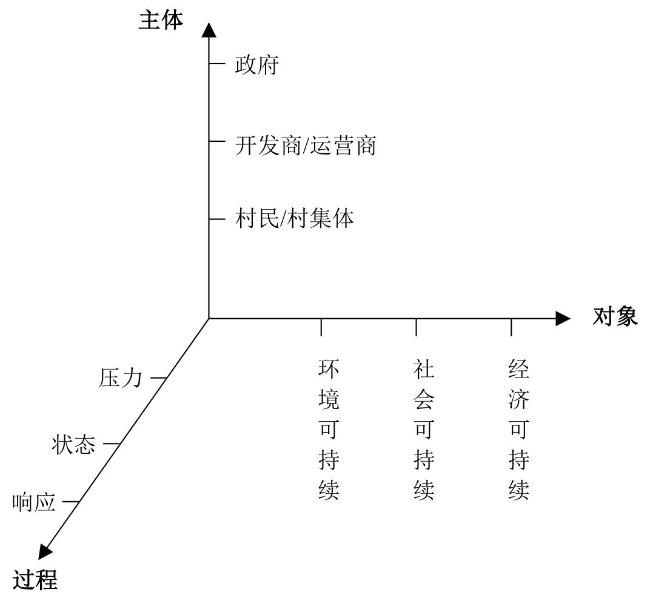
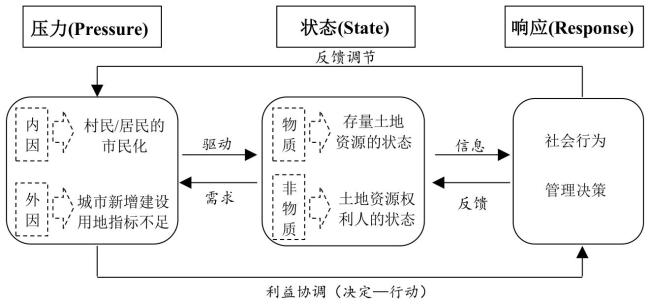
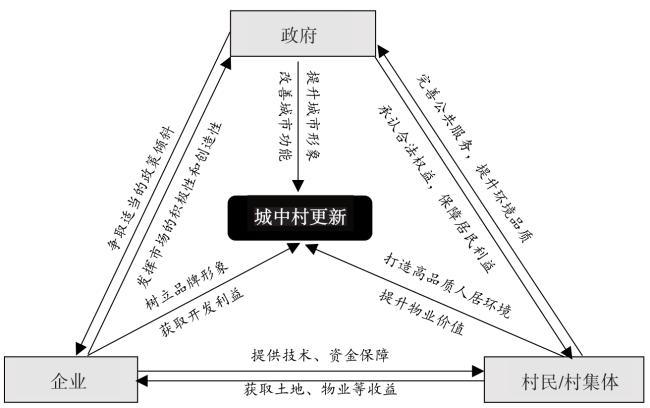
城中村更新的方式主要有两种:一种是拆迁重建,另一种是就地整改;两种方式均难以满足城市对经济、社会、环境等多元目标的可持续发展需求,成为制约城市更新进程与效果的关键因素。基于此,引入可持续性科学理论,并借鉴管理学中“对象-主体-过程”的三维分析框架,以社区及单个项目作为研究的空间尺度,构建了城中村可持续更新模式的研究框架。该模式强调:在对象维度追求经济、社会、环境多目标可持续发展;在过程维度运用压力-状态-响应方法进行全过程管理;在主体维度强调利益相关者共同参与的多方合作治理。通过长沙后湖黄鹤村政府总体统筹、企业承包、村社筹房协作的多方合作更新模式的实证研究,从可持续发展的角度对“迁而不拆+整体开发+综合整治”的更新路径进行了评析。实证结果显示:该模式在平衡多方主体利益、盘活存量土地资源、促进产业结构升级、提升城市空间品质和保护村落文化等方面具有积极意义,但由于该模式不涉及农民自建房产权性质的变更,难以从根本上解决城中村在更新过程中所涉及的农民市民化身份转化、农民生计风险等历史遗留问题。本研究是一次运用可持续性科学理论解读城市更新实践的尝试,为促进城中村可持续更新提供一种新思路,可为中国城中村更新工作提供经验和启示。
秦书茜 , 张楠 , 张勇 , 张趁 , 朱佩娟 . 城中村可持续更新路径探索——以长沙后湖黄鹤村为例[J]. 热带地理, 2021 , 41(3) : 461 -471 . DOI: 10.13284/j.cnki.rddl.003345
Drawing upon the existing literature and practice, the study revealed two main ways to renew urban villages, namely demolition and reconstruction and on-site rectification. However, it is challenging to meet the sustainable development needs of the city regarding economy, society, and environment using these approaches. Accordingly, they have become the key factors restricting the process and effect of urban renewal. Therefore, this study introduces the theory of sustainability science, draws lessons from the three-dimensional analysis framework of "object-subject-process" in management science, and establishes the research framework of sustainable renewal mode in urban villages by taking communities and individual projects as the spatial scale of research. This model emphasizes several dimensions. The object dimension entails pursuing economic and social prosperity under the premise that the key natural capital is not reduced. The process dimension consists of conducting the whole process reform of the causal chain. The main dimension encompasses pursuing the cooperative governance of the government, enterprises, villagers, and village collective. The empirical study of Huanghe Village in Hou Lake, Changsha, was planned by the government, contracted by enterprises, and coordinated by village communities through house preparation. In addition, this paper evaluates the renewal path of "moving but not demolishing and overall development and comprehensive renovation" from the perspective of sustainable development. The results show that the model has a positive impact on balancing the interests of multiple parties, revitalization of the stock of land resources, promotion of the upgrading of industrial structure, improvement of the urban space quality, and protection of the village culture. However, since the model does not involve the changes of the property rights of farmers' self-built houses, it is difficult to fundamentally solve the historical problems originating from the process of urban village renewal, such as the transformation of farmers' citizenship status and farmers' livelihood risks. In addition, the case selected by the empirical study is specific in terms of the location and evolution process, which may directly affect the copy effect of the case. Nevertheless, this study is an attempt to interpret the practice of urban renewal using the theory of sustainability science, which provides new insight into promoting the sustainable renewal of urban villages, as well as experiences in China.

1 http://www.taiyuan.gov.cn/doc/2013/03/04/158452.shtml
|
|
|
|
|
|
|
成德礼. 2008. 对中国城中村发展问题的再思考——基于失地农民可持续生计的角度. 城市发展研究,15(3):68-79.
|
|
丁凡,伍江. 2017. 城市更新相关概念的演进及在当今的现实意义. 城市规划学刊,(6):87-95.
Ding Fan and Wu Jiang. 2017. The Evolution of the Concept of Urban Regeneration and the Practical Connotation in Today's Society. Urban Planning Forum, (6): 87-95.
|
|
段一行. 2020. 系统性的可持续城市设计——瑞典Citylab导则在中国常州的实验. 城市建筑,17(6):98-101.
|
|
何元斌,林泉. 2012. 城中村改造中的主体利益分析与应对措施——基于土地发展权视角. 地域研究与开发,31(4):124-127.
He Yuanbin and Lin Quan. 2012. Research on Urban Construction Land Intensive Use Potential Release Technology: A Case of Lanzhou City. Areal Research and Development, 31(4): 124-127.
|
|
贺艳华,邬建国,周国华,周兵兵. 2020. 论乡村可持续性与乡村可持续性科学. 地理学报,75(4):736-752.
|
|
黄璐. 2015. 中国城市发展及规划可持续性评估. 杭州:浙江大学. [Huang Lu. 2015. Sustainability Assessment of Urban Development and Planning in China: A Sustainability Science and Indicators-Based Approach. Hang Zhou: Zhe Jiang University. ]
|
|
李培林. 2002. 巨变:村落的终结——都市里的村庄研究. 中国社会科学,(1):168-179.
|
|
李润国,赵青,王伟伟. 2015. 新型城镇化背景下城中村改造的问题与对策研究. 宏观经济研究,(8): 41-47,75.
|
|
刘于琪,刘晔,李志刚. 2017. 居民归属感、邻里交往和社区参与的机制分析——以广州市城中村改造为例. 城市规划,41(9):38-47.
|
|
潘卓林,刘晔,刘于琪,李志刚. 2020. 基于场域理论的城中村村民市民化研究——以广州猎德复建房社区为例. 热带地理,40(6):981-992.
|
|
陶海燕,周淑丽,卓莉. 2014. 城中村有序改造的群决策——以广州市城中村改造为例. 地理研究,33(7):1207-1216.
|
|
万举. 2008. 国家权力下的土地产权博弈——城中村问题的实质. 财经问题研究,(5):11-16.
|
|
王谋,康文梅,刘君言,吕献红,张莹,罗东燊. 2018. 我国可持续城市建设:经验、问题与展望. 阅江学刊,10(6):25-35.
|
|
邬建国,郭晓川,杨稢,钱贵霞,牛建明,梁存柱,张庆,李昂. 2014. 什么是可持续性科学?. 应用生态学报,25(1):1-11.
|
|
萧俊瑶,张晓宇,李志刚. 2019. “行政吸纳”视角下深圳市城中村改造模式及演化机制研究. 城市与环境研究,(3):72-82. [Xiao Junyao, Zhang Xiaoyu and Li Zhigang. Patterns and Evolution Mechanism of Urban Village Redevelopment in Shenzhen City from the "Administrative Absorption" Perspective. Urban and Environmental Studies, (3): 72-82. ]
|
|
闫小培,魏立华,周锐波. 2004. 快速城市化地区城乡关系协调研究——以广州市“城中村”改造为例. 城市规划,(3):30-38.
|
|
严若谷,周素红,闫小培. 2011. 城市更新之研究. 地理科学进展,30(8):947-955.
|
|
杨东峰,殷成志,龙瀛. 2011. 城市可持续性的定量评估:方法比较与实践检讨. 城市规划学刊,(3):58-65.
|
|
叶裕民. 2015. 特大城市包容性城中村改造理论架构与机制创新——来自北京和广州的考察与思考. 城市规划,39(8):9-23.
|
|
叶裕民,张理政,孙玥,王洁晶. 2020. 破解城中村更新和新市民住房“孪生难题”的联动机制研究——以广州市为例. 中国人民大学学报,34(2):14-28.
|
|
叶子君,林坚. 2020. 可持续城市更新决策支持方法研究评述. 地域研究与开发,39(3):59-64.
Ye Zijun and Lin Jian. 2020. Review of Decision-Making Support Methods of Sustainable Urban Renewal. Areal Research and Development, 39(3): 59-64.
|
|
岳隽. 2015. 深圳原农村土地二次开发模式统筹研究——基于土地增值收益合理分配的视角. 地域研究与开发,34(5):153-156.
|
|
张侠,赵德义,朱晓东,彭补拙. 2006. 城中村改造中的利益关系分析与应对. 经济地理,26(3):496-499.
|
|
张宇,欧名豪,蔡玉军. 2015. 整村统筹——解决城中村土地利用和发展问题的一个探索. 城市规划,39(2):93-98.
|
|
周兵兵,马群,邬建国,胡国华,毛德华,曾小箕,郭杰,房学宁,刘宇鹏,吕立刚. 2019. 再论可持续性科学:新形势与新机遇. 应用生态学报,30(1):325-336.
|
|
周锐波,闫小培. 2009. 集体经济:村落终结前的再组织纽带——以深圳“城中村”为例. 经济地理,29(4):628-634.
Zhou Ruibo and Yan Xiaopei. 2009. Empirical Study of the Impact of Supply on Housing Price: A Case Study of Shanghai. Economic Geography, 29(4): 628-634.
|
|
朱丽. 2020. 我国城市可持续发展的挑战与应对构想. 人民论坛·学术前沿,(4):73-80.
|
|
诸大建. 2016. 可持续性科学:基于对象—过程—主体的分析模型. 中国人口·资源与环境,26(7):1-9.
|
|
诸大建. 2019. 用国际可持续发展研究的新成果和通用语言解读生态文明. 中国环境管理,11(3):5-12.
|
/
| 〈 |
|
〉 |