The Impact of Enterprise Internetization on Innovation Levels of Advanced Manufacturing Enterprises in Guangdong Province: Evidence from Computer, Communication, and other Electronic Equipment Manufacturing Companies
Received date: 2022-06-09
Revised date: 2022-08-20
Online published: 2023-05-08
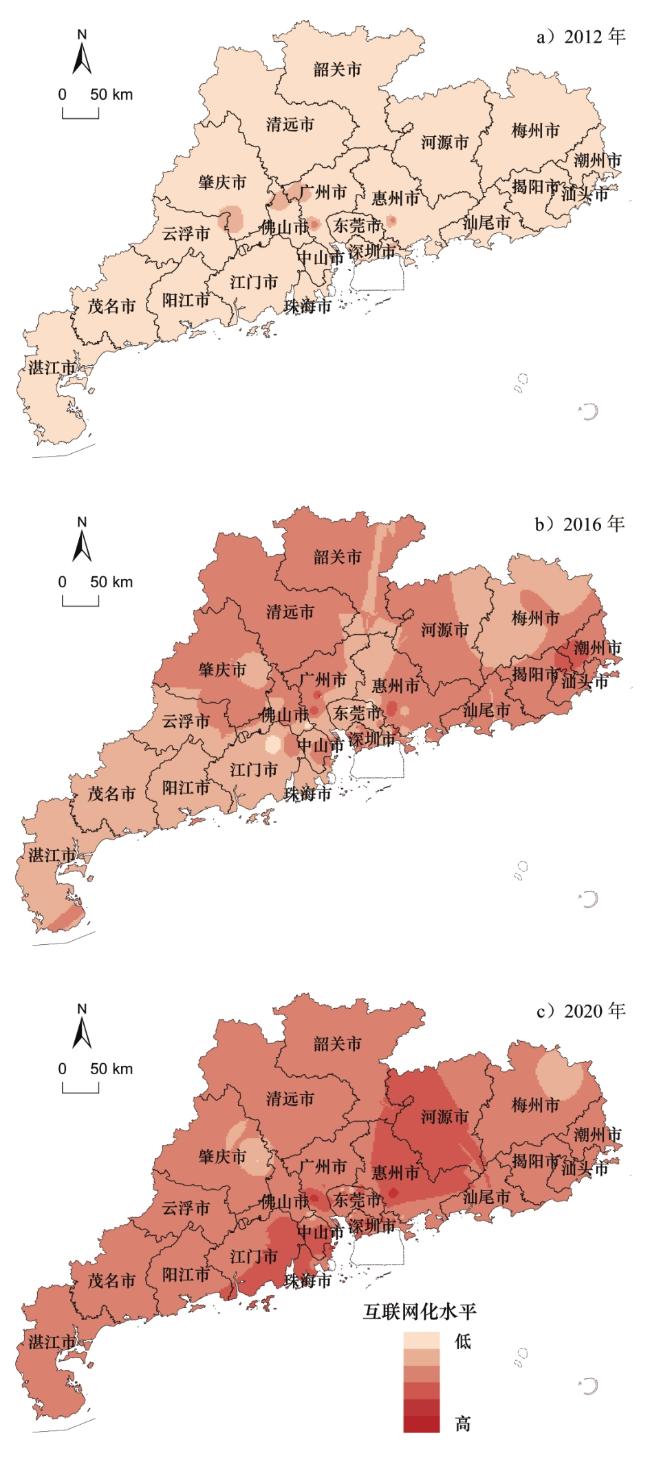
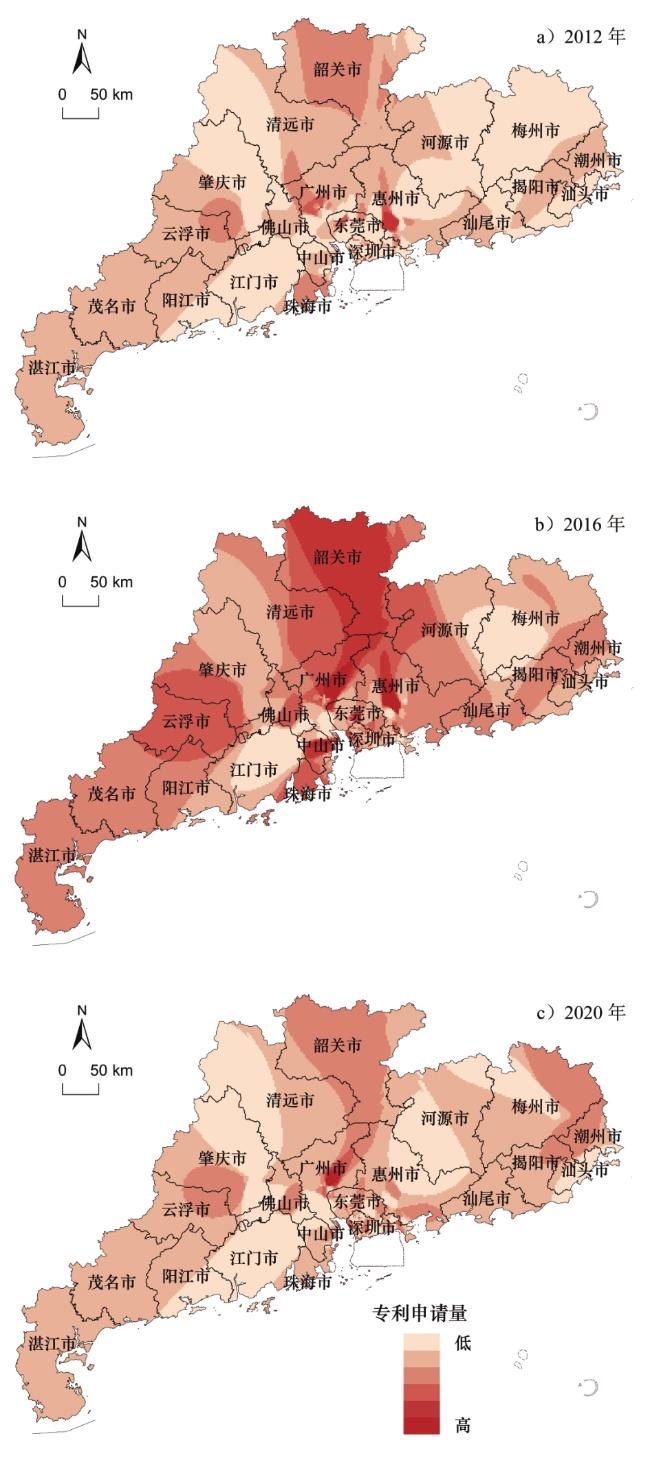
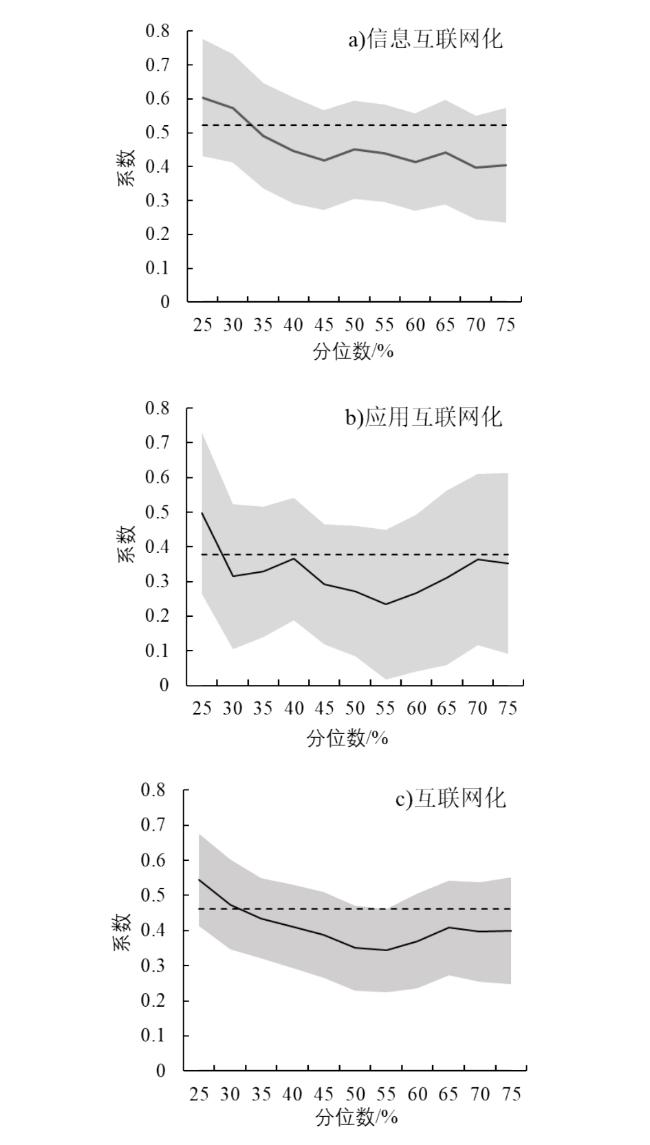
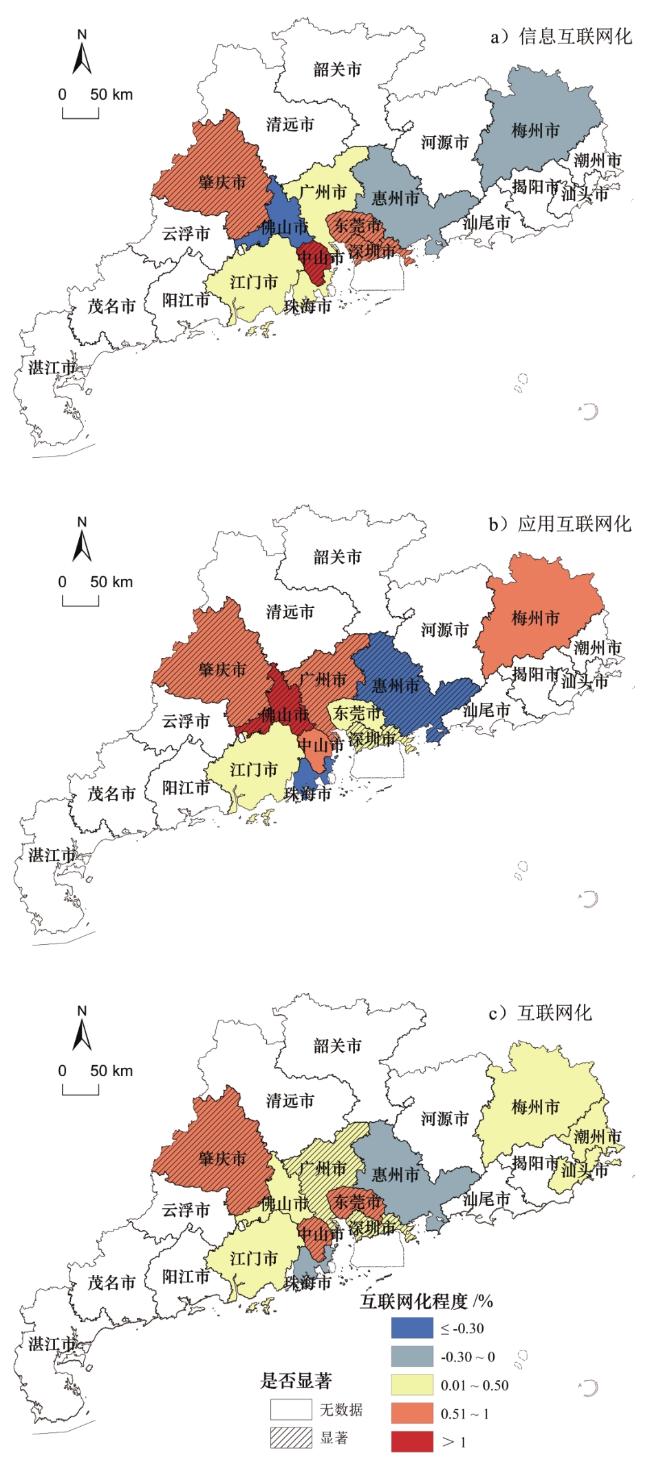
Technological innovation is considered an important source of national economic development, but existing studies have found that there are few independent research and development (R&D) activities in Chinese enterprises, and the achievement transformation of R&D investment is still facing great difficulties. As a new technical means, Internetization is regarded as an important driving force for promoting enterprise innovation in the information technology era. However, few empirical studies have conducted detailed analyses of the relationship between Internetization and enterprise innovation, ignoring the fact that Internetization can quickly transfer information. Therefore, based on the invention patent data of listed enterprises in the computer, communication, and other electronic equipment manufacturing industries in Guangdong Province from 2012 to 2020, and dividing Internetization into two types: Information Internetization and Application Internetization, this study analyzes the basic characteristics of enterprise Internetization and its impact mechanism on enterprise innovation in Guangdong Province by using inverse distance weight interpolation, panel regression, intermediary effect, and test and panel quantile models. The results show that Guangzhou and Shenzhen are the main innovation centers in Guangdong Province, of which Shenzhen is the main core and Guangzhou is the sub-core, effectively improving innovation ability in the surrounding areas. Second, the Internetization level of enterprises in Guangdong is increasing annually. Enterprises with high Internetization levels are mainly distributed in the Pearl River Delta. Simultaneously, the information Internetization level of enterprises in Guangdong was generally higher than the application Internetization level. Next, increasing the degree of enterprise Internetization contributes to an increase in innovation output. At different innovation levels, the impact of Internetization on enterprise innovation output shows a "U" shape, and Internetization can improve the innovation level of enterprises by improving the scale and quality of R&D investment, as well as effectively reducing negative externalities. Finally, as a new technical means, the Internet can more effectively promote the optimization of enterprise management structure and improvement of internal communication efficiency, and promote the improvement of innovation efficiency by reducing negative externalities, compared with "informatization" and other means. Simultaneously, the innovation-driving effect of different types of Internetization forms shows different characteristics. The innovation impact of information Internetization is effective, inexpensive, and can improve R&D investment. The cost of Application Internetization is higher, making it more suitable for large enterprises.
Yingjie Zhou , Lixun Li . The Impact of Enterprise Internetization on Innovation Levels of Advanced Manufacturing Enterprises in Guangdong Province: Evidence from Computer, Communication, and other Electronic Equipment Manufacturing Companies[J]. Tropical Geography, 2023 , 43(4) : 769 -782 . DOI: 10.13284/j.cnki.rddl.003653
表1 互联网化水平评价体系Table 1 The evaluation system of Internetization level |
| 一级指标 | 二级指标 | 指标解释 |
|---|---|---|
| 信息 互联网化 | 企业是否使用新浪微博 企业是否使用微信公众号 企业是否公示邮箱 | 评价企业当年对市场信息的重视程度,是否利于互联网获取潜在客户和其他创新主体的反馈信息从而提升创新能力。 |
| 应用 互联网化 | 企业是否使用电子商务 企业是否应用大数据技术 企业是否应用数字技术 | 评价企业当年使用互联网平台关键应用和服务,处理所获信息的能力。企业在通过平台应用的过程中进行探索式学习,通过处理海量互联网信息以明确市场创新需求,以促进自身创新水平。 |
表2 企业互联网化对企业创新水平影响的面板固定效应模型估计结果Table 2 The panel fixed effect estimation of enterprise Internetization on innovation level |
| 解释变量 | 信息互联网化和应用互联网化 | 互联网化 | ||||
|---|---|---|---|---|---|---|
| 模型1 | 模型2 | 模型3 | 模型4 | 模型5 | ||
| 信息互联网化 | 0.523***(8.40) | 0.490***(5.93) | — | — | — | |
| 应用互联网化 | 0.378***(5.14) | 0.304***(3.82) | — | — | — | |
| 互联网化 | — | — | 0.462***(10.16) | 0.394***(7.17) | 0.371***(6.81) | |
| 互联网化×lnRD(交互项) | — | — | 0.085***(3.90) | |||
| Age | -0.022***(-2.67) | -0.001(-0.07) | -0.023***(-2.80) | -0.002(-0.20) | -0.006(-0.49) | |
| lnCAP | -0.436***(-3.86) | -0.937***(-4.30) | -0.487***(-4.54) | -0.939***(-4.30) | -0.855***(-3.95) | |
| lnINT | -0.258(-0.87) | 0.172(0.39) | -0.257(-0.87) | 0.167(0.38) | 0.222(0.51) | |
| lnGrowth | 0.682***(3.03) | 0.563**(2.40) | 0.693***(3.09) | 0.588**(2.51) | 0.606***(2.62) | |
| lnRD | — | 0.191***(5.36) | — | 0.191***(5.36) | 0.198***(5.63) | |
| 所有制固定效应 | 是 | 是 | 是 | 是 | 是 | |
| 时间固定效应 | 是 | 是 | 是 | 是 | 是 | |
| 地区固定效应 | 是 | 是 | 是 | 是 | 是 | |
| 样本量 | 1 510 | 1 510 | 1 510 | 1 510 | 1 510 | |
| R² | 0.21 | 0.30 | 0.20 | 0.29 | 0.31 | |
|
表3 以研发投入为中介变量的中介效应模型估计结果Table 3 The regression results for the intermediary effect model with R&D as the intermediary variable |
| 解释变量 | 信息和应用互联网化 | 互联网化 | |||||
|---|---|---|---|---|---|---|---|
| 第一步 | 第二步 | 第三步 | 第一步 | 第二步 | 第三步 | ||
| 被解释变量 | lnPAT | lnRD | lnPAT | lnPAT | lnRD | lnPAT | |
| 信息互联网化 | 0.523***(8.40) | 0.253***(3.41) | 0.490***(5.93) | — | — | — | |
| 应用互联网化 | 0.378***(5.14) | 0.189***(2.69) | 0.304***(3.82) | — | — | — | |
| 互联网化 | — | — | — | 0.462***(10.16) | 0.219***(4.59) | 0.394***(7.17) | |
| Age | -0.022***(-2.67) | 0.026***(2.57) | -0.001(-0.07) | -0.023***(-2.80) | 0.026**(2.54) | -0.002(-0.20) | |
| lnCAP | -0.436***(-3.86) | -1.030***(-5.64) | -0.937***(-4.30) | -0.487***(-4.54) | -1.026***(-5.62) | -0.939***(-4.30) | |
| lnINT | -0.258(-0.87) | 0.580*(1.67) | 0.172(0.39) | -0.257(-0.87) | 0.578*(1.66) | 0.168(0.38) | |
| lnGrowth | 0.682***(3.03) | 0.188(0.93) | 0.563**(2.40) | 0.693***(3.09) | 0.197(0.98) | 0.588**(2.51) | |
| lnRD | — | — | 0.191***(5.36) | — | — | 0.191***(5.36) | |
| 所有制固定效应 | 是 | 是 | 是 | 是 | 是 | 是 | |
| 时间固定效应 | 是 | 是 | 是 | 是 | 是 | 是 | |
| 城市固定效应 | 是 | 是 | 是 | 是 | 是 | 是 | |
| 样本量 | 1 510 | 1 510 | 1 510 | 1 510 | 1 510 | 1 510 | |
| R² | 0.21 | 0.20 | 0.30 | 0.20 | 0.18 | 0.25 | |
表4 企业互联网化对企业创新水平影响在不同创新水平上的差异Table 4 The heterogeneity effect of enterprise internetization on innovation level |
| 解释变量 | q25 | q50 | q75 | q25 | q50 | q75 | |
|---|---|---|---|---|---|---|---|
| 信息互联网化 | 0.604***(6.88) | 0.450***(6.11) | 0.404***(4.65) | — | — | — | |
| 应用互联网化 | 0.498***(4.19) | 0.273***(2.85) | 0.353***(2.66) | — | — | — | |
| 互联网化 | — | — | — | 0.545***(8.11) | 0.351***(5.70) | 0.400***(5.13) | |
| Age | -0.039***(-2.81) | -0.023*(-1.90) | -0.017(-1.26) | -0.038***(-3.21) | -0.019*(0.057) | -0.019(-1.38) | |
| lnCAP | -0.735***(-3.95) | -0.385***(-2.60) | -0.346*(-1.75) | -0.756***(-4.05) | -0.415***(-2.91) | -0.385**(-2.34) | |
| lnINT | 0.033(0.08) | -0.216(-0.67) | -0.277(-0.68) | -0.009(-0.02) | -0.349(-0.93) | -0.270(-0.69) | |
| lnGrowth | 0.810**(2.52) | 0.797**(2.38) | 0.827**(2.15) | 0.690**(2.20) | 0.873***(2.59) | 0.853**(2.48) | |
| 所有制固定效应 | 是 | 是 | 是 | 是 | 是 | 是 | |
| 时间固定效应 | 是 | 是 | 是 | 是 | 是 | 是 | |
| 地区固定效应 | 是 | 是 | 是 | 是 | 是 | 是 | |
| 样本量 | 1 510 | 1 510 | 1 510 | 1 510 | 1 510 | 1 510 | |
| pseudo R² | 0.15 | 0.12 | 0.11 | 0.15 | 0.12 | 0.11 |
表5 广东省分地区回归结果Table 5 The results of regional regression in Guangdong Province |
| 解释变量 | 广佛肇 | 深莞惠 | 其他城市 | |||||
|---|---|---|---|---|---|---|---|---|
| 信息互联网化 | 0.416**(2.29) | — | 0.539***(7.60) | — | 0.048(0.24) | — | ||
| 应用互联网化 | 0.514**(2.04) | — | 0.349***(4.18) | — | -0.016(-0.08) | — | ||
| 互联网化 | — | 0.449***(3.03) | — | 0.458***(8.87) | — | 0.017(0.11) | ||
| 控制变量 | 是 | 是 | 是 | 是 | 是 | 是 | ||
| 所有制固定效应 | 是 | 是 | 是 | 是 | 是 | 是 | ||
| 时间固定效应 | 是 | 是 | 是 | 是 | 是 | 是 | ||
| 地区固定效应 | 是 | 是 | 是 | 是 | 是 | 是 | ||
| 样本量 | 180 | 180 | 1 170 | 1 170 | 160 | 160 | ||
| R² | 0.45 | 0.45 | 0.15 | 0.15 | 0.71 | 0.71 | ||

1 https://pss-system.cponline.cnipa.gov.cn/conventionalSearch
2 https://www.gtarsc.com/
3 https://www.ceicdata.com/zh-hans/china/internet-number-of-broadband-subscriber-prefecture-level-city
周颍洁:论文撰写和修改,数据资料收集与处理,绘图,分析数据处理结果并得出结论;
李立勋:指导论文选题,对论文进行审阅与修改。
|
Abouzeedan A, Klofsten M, and Hedner T. 2013. Internetization Management as A Facilitator for Managing Innovation in High-Technology Smaller Firms. Global Business Review, 14(1): 121-136.
|
|
安同良,周绍东,皮建才. 2009. R&D补贴对中国企业自主创新的激励效应. 经济研究,44(10):87-98,120.
An Tongliang, Zhou Shaodong, and Pi Jiancai. 2009. The Stimulating Effects of R&D Subsidies on Independent Innovation of Chinese Enterprises. Economic Research Journal, 44(10): 87-98, 120.
|
|
白俊红,王钺,蒋伏心,李婧. 2017. 研发要素流动、空间知识溢出与经济增长. 经济研究,52(7):109-123.
Bai Junhonga, Wang Yuea, Jiang Fuxin, and LI Jing. 2017. R&D Element Flow, Spatial Knowledge Spillovers and Economic Growth. Economic Research Journal, 52(7): 109-123.
|
|
Bathelt H, Malmberg A, and Maskell P. 2002. Clusters and Knowledge: Local Buzz, Global Pipelines and the Process of Knowledge Creation. Progress in Human Geography, 28(1): 31-56.
|
|
陈强远,林思彤,张醒. 2020. 中国技术创新激励政策:激励了数量还是质量. 中国工业经济,(4):79-96.
Chen Qiangyuan, Lin Sitong, and Zhang Xing. 2020. The Effect of China's Incentive Policies for Technological Innovation: Incentivizing Quantity or Quality. China Industrial Economics, (4): 79-96.
|
|
陈清怡,千庆兰,姚作林. 2021. 广东省城市创新发展水平及其网络结构演化. 经济地理,41(4):38-47.
Chen Qingyi, Qian Qinlan, and Yao Zuolin. 2021. Urban Innovation Development Level and Network Structure Evolution in Guangdong Province. Economic Geography, 41(4): 38-47.
|
|
陈维涛,韩峰,张国峰. 2019. 互联网电子商务、企业研发与全要素生产率. 南开经济研究,(5):41-59.
Chen Weitao, Han Feng, and Zhang Guofeng. 2019. E-Commerce, R&D, and Chinese Firm Productivity. Nankai Economic Studies, (5): 41-59.
|
|
陈依曼,李立勋,符天蓝. 2020. 中国城市创新能力及其影响因素的空间分异——基于GWR模型的实证. 热带地理,40(2):323-334.
Chen Yiman, Li Lixun, and Fu Tianlan. 2020. Spatial Heterogeneity in Chinese Urban Innovation Capabilities and Its Determinants: Approach Based on the Geographically Weighted Regression Model. Tropical Geography, 40(2): 323-334.
|
|
程立茹. 2013. 互联网经济下企业价值网络创新研究. 中国工业经济,(9):82-94.
Cheng Liru. 2013. A Study on Innovation Mechanism of Enterprise Value Network from the Perspective of the Internet Economy. China Industrial Economics, (9): 82-94.
|
|
Dewan R M, Jing B, and Seidmann A. 2003. Product Customization and Price Competition on the Internet. Management Science, 49(8): 1055-1070.
|
|
董祺. 2013. 中国企业信息化创新之路有多远?——基于电子信息企业面板数据的实证研究. 管理世界,(7):123-129,171.
Dong Qi. 2013. How Far is the Road of Informatization Innovation for Chinese Enterprises: An Empirical Study Based on Panel Data of Electronic Information Enterprises. Journal of Management World, (7): 123-129, 171.
|
|
Fang C, Ma H, Wang Z, and Li G. 2014. The Sustainable Development of Innovative Cities in China: Comprehensive Assessment and Future Configuration. Journal of Geographical Sciences, 24(6): 1095-1114.
|
|
方创琳,马海涛,王振波,李广东. 2014. 中国创新型城市建设的综合评估与空间格局分异. 地理学报,69(4):459-473.
Fang Chuanglin, Ma Haitao, Wang Zhenbo, and Li Guangdong. 2014. Comprehensive Assessment and Spatial Heterogeneity of the Construction of Innovative Cities in China. Acta Geographica Sinica, 69(4): 459-473.
|
|
Fernández-Mesa A, José Luis Ferreras-Méndez, Alegre J, and Chiva R. 2014. IT Competency and the Commercial Success of Innovation. Industrial Management & Data Systems, 114(4): 550-567.
|
|
Goldfarb A, and Tucker C. 2019. Digital Economics. Journal of Economic Literature, 57(1): 3-43.
|
|
广东省人民政府. 2021. 广东省科技创新“十四五”规划. (2021-09-22)[2023-02-10]. http://www.gd.gov.cn/zwgk/wngh/sswgh/content/post_3740174.html.
Guangdong Provincial People's Government.2021. Guangdong Province Science and Technology Innovation 14th Five-Year Plan. (2021-09-22) [2023-02-10]. http://www.gd.gov.cn/zwgk/wngh/sswgh/content/post_3740174.html.
|
|
郭家堂,骆品亮. 2016. 互联网对中国全要素生产率有促进作用吗?. 管理世界,(10):34-49.
Guo Jiatang, and Luo Pinliang. 2016. Does the Internet Promote China's Total Factor Productivity?. Journal of Management World, (10): 34-49.
|
|
何键芳,张虹鸥,叶玉瑶,吴旗韬. 2013. 广东省区域创新产出的空间相关性研究. 经济地理,33(2):117-121,140.
He Jianfang, Zhang Hong'ou, Ye Yuyao, and Wu Qitao. 2013. Research on Spatial Autocorrelation of Innovation Output in Guangdong Province. Economic Geography, 33(2): 117-121, 140.
|
|
何舜辉,杜德斌,焦美琪,林宇. 2017. 中国地级以上城市创新能力的时空格局演变及影响因素分析. 地理科学,37(7):1014-1022.
He Shunhui, Du Debin, Jiao Meiqi, and Lin Yu. 2017. Spatial-Temporal Characteristics of Urban Innovation Capability and Impact Factors Analysis in China. Scientia Geographica Sinica, 37(7): 1014-1022.
|
|
Hellmanzik C, and Schmitz M. 2015. Virtual Proximity and Audiovisual Services Trade. European Economic Review, 77: 82-101.
|
|
侯纯光,程钰,任建兰,陈延斌. 2016. 中国创新能力时空格局演变及其影响因素. 地理科学进展,35(10):1206-1217.
Hou Chunguang, Cheng Yu, Ren Jianlan, and Chen Yanbin. 2016. Spatiotemporal Changes and Influencing Factors of Innovation Capacity in China. Progress in Geography, 35(10): 1206-1217.
|
|
Jaffe A B. 1989. Characterizing the "Technological Position" of Firms, with Application to Quantifying Technological Opportunity and Research Spillovers. Research Policy, 18(2): 87-97.
|
|
贾玉辉,苑泽明,金宇. 2020. 高质量发展下先进制造企业IPO及其后绩效研究. 经济问题,(12):60-67.
Jia Yuhui, Yuan Zeming, and Jin Yu. 2020. Research on Advanced Manufacturing Enterprises’ IPO and Their Post-IPO Performance under High-Quality Development. On Economic Problems, (12): 60-67.
|
|
Koellinger P. 2008. The Relationship between Technology, Innovation, and Firm Performance—Empirical Evidence from E-Business in Europe. Research Policy, 37(8): 1317-1328.
|
|
Koenker R. 2004. Quantile Regression for Longitudinal Data. Journal of Multivariate Analysis, 91(1): 74-89.
|
|
李海舰,田跃新,李文杰. 2014. 互联网思维与传统企业再造. 中国工业经济,(10):135-146.
Li Haijian, Tian Yuexin, and Li Wenjie. 2014. Mobile Internet Thinking and Traditional Business Reengineering. China Industrial Economics, (10): 135-146.
|
|
李强. 2012. 基于地统计的区域气象要素空间插值与分布研究. 资源开发与市场,29(5):393-395.
Li Qiang. 2012. Spatial Interpolation Method and Spatial Distribution Characteristics of Temperature and Precipitation in South Loess Plateau. Resource Development & Market, 29(5): 393-395.
|
|
李文慧,韩惠. 2018. 兰州市商品住宅价格的空间分异规律. 测绘科学,43(2):45-50.
Li Wenhui, and Han Hui. 2018. Characteristics of Commercial Residential Price Spatial Differentiation in Lanzhou City. Science of Surveying and Mapping, 43(2): 45-50.
|
|
李晓宇,陈国卿. 2019. 信息技术投入、技术创新动态能力与企业绩效关系研究. 科技进步与对策,36(16):100-107.
Li Xiaoyu, and Chen Guoqing. 2019. Research on the Relationship between Information Technology Input, Technological Innovation Dynamic Capabilities and Enterprise Performance. Science & Technology Progress and Policy, 36(16): 100-107.
|
|
刘晔,徐楦钫,马海涛. 2021.中国城市人力资本水平与人口集聚对创新产出的影响. 地理科学,41(6):923-932.
Liu Ye, Xu Xuanfang, and Ma Haitao. 2021. Impact of Human Capital Stock and Population Concentration on Innovative Output in China. Scientia Geographica Sinica, 41(6): 923-932.
|
|
Lusch R F, and Nambisan S. 2015. Service Innovation: A Service-Dominant Logic Perspective. MIS Quarterly, 39(1): 155-175.
|
|
吕拉昌,李勇. 2010. 基于城市创新职能的中国创新城市空间体系. 地理学报,65(2):177-190.
Lyu Lachang, and Li Yong. 2010. A Research on Chinese Renovation Urban System Based on Urban Renovation Function. Acta Geographica Sinica, 65(2): 177-190.
|
|
吕拉昌,赵彩云. 2021. 中国城市创新地理研究述评与展望. 经济地理,41(3):16-27.
Lyu Lachang, and Zhao Caiyun. 2021. Review and Prospect of the Urban Innovation Geography of China. Economic Geography, 41(3): 16-27.
|
|
Mackinnon D P, Warsi G, and Dwyer J H. 1995. A Simulation Study of Mediated Effect Measures. Multivariate Behav. Res., 30(3): 41.
|
|
Polanyi M. 1961. Knowing and Being. Mind, 70(28): 458-470.
|
|
Romer P M. 1986. Increasing Returns and Long-Run Growth. Journal of Political Economy, 94(5): 1002-1037.
|
|
沈国兵,袁征宇. 2020a. 企业互联网化对中国企业创新及出口的影响. 经济研究,55(1):33-48.
Shen Guobing, and Yuan Zhengyu. 2020a. The Effect of Enterprise Internetization on the Innovation and Export of Chinese Enterprises. Economic Research Journal, 55(1): 33-48.
|
|
沈国兵,袁征宇. 2020b. 互联网化,创新保护与中国企业出口产品质量提升. 世界经济,43(11):25.
Shen Guobing, and Yuan Zhengyu. 2020b. Internetization, Innovation Protection and the Promotion of Chinese Enterprises' Export Quality. The Journal of World Economy, 43(11): 25.
|
|
沈国兵,袁征宇. 2020c. 互联网化对中国企业出口国内增加值提升的影响. 财贸经济,41(7):130-146.
Shen Guobing, and Yuan Zhengyu. 2020c. The Impact of Internetization on the Increase of Chinese Domestic Value Added in Exports. Finance & Trade Economics, 41(7): 130-146.
|
|
沈肇章,陈酉晨. 2020. 财政科技投入、全要素生产率与经济发展不平衡:基于广东省21个地级市面板数据分析. 科技管理研究,40(6):100-106.
Shen Zhaozhang, and Chen Youchen. 2020. Financial Input of Science and Technology, Total Factor Productivity and Unbalanced Economic Development: Panel Data Analysis Based on 21 Prefectural Cities in Guangdong Province. Science and Technology Management Research, 40(6): 100-106.
|
|
施炳展,李建桐. 2020. 互联网是否促进了分工:来自中国制造业企业的证据. 管理世界,36(4):130-149.
Shi Bingzhan, and Li Jiantong. 2020. Does the Internet Promote Division of Labor? Evidences from Chinese Manufacturing Enterprises. Journal of Management World, 36(4): 130-149.
|
|
Sobel M. 1982. Asymptotic Confidence Intervals for Indirect Effects in Structural Equation Models. Sociological Methodology, 13(13): 290-312.
|
|
孙勇,樊杰,刘汉初,赵腾宇. 2022. 长三角地区数字技术创新时空格局及其影响因素. 经济地理,42(2):124-133.
Sun Yong, Fan Jie, Liu Hanchu, and Zhao Tengyu. 2022. Spatial and Temporal Pattern of Digital Technology Innovation and Its Influencing Factors in the Yangtze River Delta. Economic Geography, 42(2): 124-133.
|
|
汤国安,杨昕. 2012. ArcGIS地理信息系统空间分析实验教程. 2版. 北京:科学出版社.
Tang Guo'an, and Yang Xin. 2012. ArcGIS Spatial Analysis Experiment Tutorial for Geographic Information System.2nd. Beijing: Science Press.
|
|
佟家栋,杨俊. 2019. 互联网对中国制造业进口企业创新的影响. 国际贸易问题,(11):1-15.
Tong Jiadong, and Yang Jun. 2019. The Influence of Internet on Innovation of China's Manufacturing Importers. Journal of International Trade, (11): 1-15.
|
|
汪芳,石鑫,赵玉林. 2020. “互联网+”战略,企业异质性与研发投入. 研究与发展管理,32(4):124-135.
Wang Fang, Shi Xin, and Zhao Yulin. 2020. "Internet+" Strategy, Firm Heterogeneity and R&D Input. R&D Management, 32(4): 124-135.
|
|
王缉慈. 1999. 知识创新和区域创新环境. 经济地理,19(1):12-16.
Wang Jici. 1999. Knowledge-Based Economy and Innovative Milieu. Economic Geography, 19(1): 12-16.
|
|
王金杰,郭树龙,张龙鹏. 2018. 互联网对企业创新绩效的影响及其机制研究——基于开放式创新的解释. 南开经济研究,(6):170-190.
Wang Jinjie, Guo Shulong, and Zhang Longpeng. 2018. The Impact of the Internet on the Performance and Mechanism of the Enterprise Innovation: An Explanation Based on Open Innovation. Nankai Economic Studies, (6): 170-190.
|
|
王如玉,梁琦,李广乾. 2018. 虚拟集聚:新一代信息技术与实体经济深度融合的空间组织新形态. 管理世界,34(2):13-21.
Wang Ruyu, Liang Qi, and Li Guangqian. 2018. Virtual cluster: A New form of Spatial Organization with the Deep Integration of New Generation Information Technology and Real Economy. Journal of Management World, 34(2): 13-21.
|
|
王文娜,刘戒骄,张祝恺. 2020. 研发互联网化、融资约束与制造业企业技术创新. 经济管理,42(9):127-143.
Wang Wenna, Liu Jiejiao, and Zhang Zhukai. 2020. R&D Internetization, Financial Constraints and Technological Innovation of Manufacturing Enterprises. Business and Management Journal, 42(9): 127-143.
|
|
吴康敏,叶玉瑶,张虹鸥,何祖欣,王翔宇,郑志军. 2022. 粤港澳大湾区战略性产业技术创新的地理格局及其多样性特征. 热带地理,42(2):183-194.
Wu Kangmin, Ye Yuyao, Zhang Hong'ou, He Zuxin, Wang Xiangyu, and Zheng Zhijun. 2022. The Geographical Pattern and Diversity of Strategic Industry Technological Innovation in the Guangdong-Hong Kong-Macao Greater Bay Area. Tropical Geography, 42(2): 183-194.
|
|
温忠麟,张雷,侯杰泰,刘红云. 2004. 中介效应检验程序及其应用. 心理学报,36(5):614-620.
Wen Zhonglin, Zhang Lei, Hou Jietai, and Liu Hongyun. 2004. Testing and Application of the Mediating Effects. Acta Psychologica Sinica, 36(5): 614-620.
|
|
温忠麟,侯杰泰,张雷. 2005. 调节效应与中介效应的比较和应用. 心理学报,(2):268-274.
Wen Zhonglin, Hou Jietai, and Zhang Lei. 2005. A Comparison of Moderator and Mediator and Their Applications. Acta Psychologica Sinica, (2): 268-274.
|
|
肖静华,吴小龙,谢康,吴瑶. 2021. 信息技术驱动中国制造转型升级——美的智能制造跨越式战略变革纵向案例研究. 管理世界,37(3):161-179,225,11.
Xiao Jinghua, Wu Xiaolong, Xie Kang, and Wu Yao. 2021. IT-Driven Transformation of Chinese Manufacturing: A Longitudinal Case Study on Leap-Forward Strategic Change of Midea Intelligent Manufacturing. Journal of Management World, 37(3): 161-179, 225, 11.
|
|
叶雷,曾刚,曹贤忠,周灿. 2019. 中国城市创新网络模式划分及效率比较. 长江流域资源与环境,28(7):1511-1519.
Ye Lei, Zeng Gang, Cao Zhongxian, and Zhou Can. 2019. Taxonomy of Innovation Network Patterns and Comparison of Innovation Efficiencies of Chinese Cities. Resources and Environment in the Yangtze Basin, 28(7): 1511-1519.
|
|
叶玉瑶,王翔宇,许吉黎,张虹鸥,刘郑倩,孙嘉仪,卢秦. 2022. 新时期粤港澳大湾区协同发展的内涵与机制变化. 热带地理,42(2):161-170.
Ye Yuyao, Wang Xiangyu, Xu Jili, Zhang Hong'ou, Liu Zhengqian, Sun Jiayi, and Lu Qin. 2022. The Connotation and Mechanism Changes of Coordinated Development of the Guangdong-Hong Kong-Macao Greater Bay Area in the New Period. Tropical Geography, 42(2): 161-170.
|
|
Yoo Y, Boland R J, Lyytinen K, and Majchrzak A. 2012. Organizing for Innovation in the Digitized World. Organization Science, 23(5): 1398-1408.
|
|
张杰,周晓艳,李勇. 2011. 要素市场扭曲抑制了中国企业R&D?. 经济研究,46(8):78-91.
Zhang Jie, Zhou Xiaoyan and Li Yong. 2011. Does Factor Market Distortion Barrage Chinese Firms' R&D?. Economic Research Journal, 46(8): 78-91.
|
|
张骞,李长英. 2019. 信息化对区域创新绩效的直接效应和间接效应——兼论人力资本非线性中介作用. 现代经济探讨,(2):113-121.
Zhang Qian, and Li Changying. 2019. Direct and Indirect Effects of Information on Regional Innovation Performance: Also on the Nonlinear Intermediary Role of Human Capital. Modern Economic Research, (2): 113-121.
|
|
张旭亮,史晋川,李仙德,张海霞. 2017. 互联网对中国区域创新的作用机理与效应. 经济地理,37(12):129-137.
Zhang Xuliang, Shi Jinchuan, Li Xiande, and Zhang Haixia. 2017. The Mechanism and Effect of the Internet on Regional Innovation in China. Economic Geography, 37(12): 129-137.
|
|
赵宸宇,王文春,李雪松. 2021. 数字化转型如何影响企业全要素生产率. 财贸经济,42(7):114-129.
Zhao Chenyu, Wang Wenchun, and Li Xuesong. 2021. How Does Digital Transformation Affect the Total Factor Productivity of Enterprises?. Finance & Trade Economics, 42(7): 114-129.
|
|
中国互联网协会. 2020. 中国互联网发展报告(2020). 北京:2020年中国互联网大会.[ Internet Society of China. 2020. China Internat Report 2020. Beijing: China Internet Conference 2020.]
|
|
中国科技发展战略研究小组,中国科学院大学中国创新创业管理研究中心. 2022. 中国区域创新能力评价报告2021. 北京:科学技术文献出版社.
The National Research Center of Science and Technology for Development and Chinese Academy of Sciences Research Center of Innovation and Entrepreneurship University. 2022. Report on China's Regional Innovation Capacity Assessment 2021. Beijing: Scientific and Technological Literature Publishing House.
|
|
中华人民共和国科学技术部. 2017. “十三五”先进制造技术领域科技创新专项规划. (2017-04-14)[2023-02-10]. http://www.gov.cn/xinwen/2017-05/02/content_5190479.htm.
Ministry of Science and Technology of the People´s Republic of China. 2017. 13th Five-Year Plan for Science and Technology Innovation in Advanced Manufacturing Technology Field. (2017-04-14) [2023-02-10]. http://www.gov.cn/xinwen/2017-05/02/content_5190479.htm.
|
/
| 〈 |
|
〉 |