A Study on Revitalization Modes of Public House Based on the Method of "Urban Acupuncture": A Case Study of Guangzhou City
Received date: 2023-05-25
Revised date: 2023-10-30
Online published: 2024-07-08
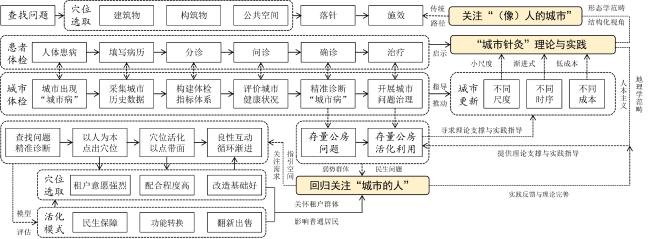
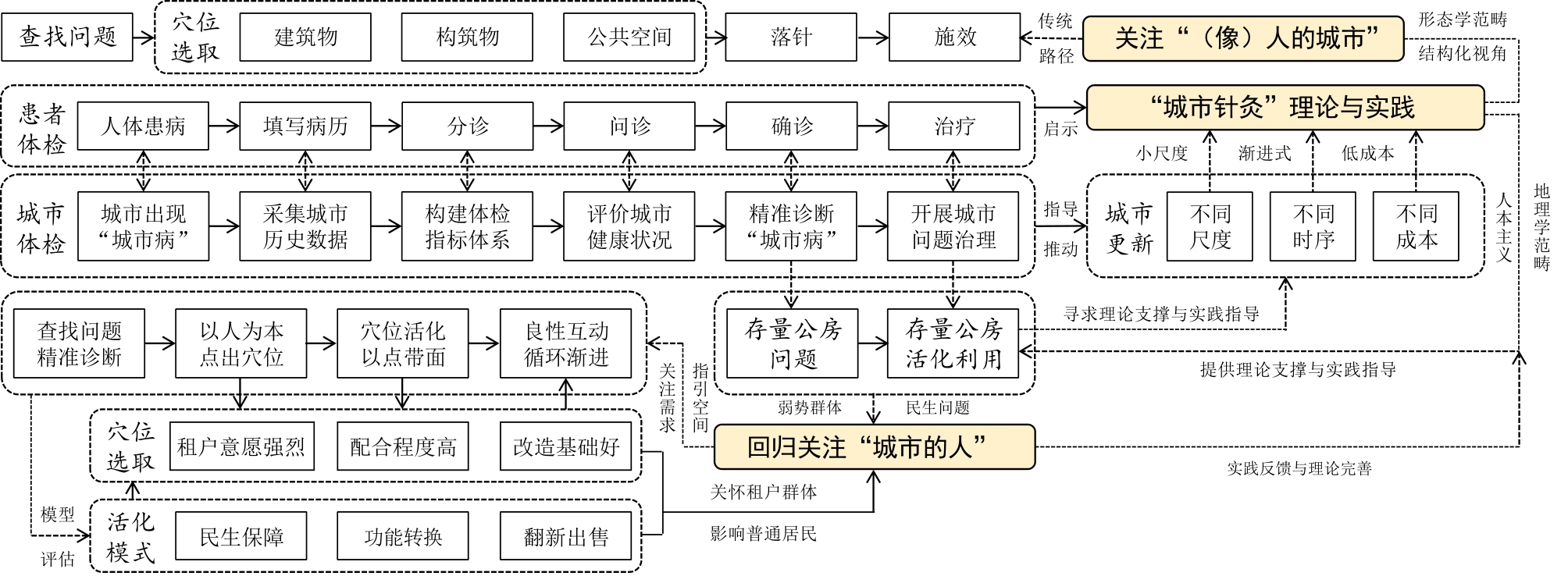
In China, public houses are properties that belong to the local government and are usually managed by the local Department of Housing and Urban-Rural Development. During the 1970s and the 1980s, these houses were used to provide shelters for incoming rural surplus laborers and low-income families who moved into the cities. Over time, problems with public houses, such as unclear property rights, the absence of management regulations, and long-term disrepair, have become increasingly serious. Managing public houses is a challenge faced by Guangzhou in the process of urban renewal. This study first reviews domestic and foreign examples of revitalizing public houses and research on the theory of "Urban Acupuncture," and then carries out further fieldwork and interviews on public houses in six typical districts of Guangzhou's old city zone. These results indicate that public houses play an important role in providing housing security to tenants. Tenants of such houses have a strong sense of belonging and trust in their communities and neighborhoods. This study summarizes three revitalization modes for public houses: selling public houses after renovation, transforming the use of public houses, and using public houses as affordable housing. It also proposes a strategy that uses public houses first as affordable houses, then for functional transformation, and selling public houses as the last choice for Guangzhou. Based on empirical researches and the methods of "Urban Acupuncture," the study further proposes an analysis model of stock public houses, and four steps of the revitalization path of public houses: (1) Find the problems of public houses through urban physical examination index analysis, big data analysis, residents satisfaction analysis, and so on, and analyze their modes of revitalization based on the analysis model of stock public houses; (2) conduct a house-to-house survey on tenants of these public houses, and select public houses with good reconstruction foundations whose tenants have strong willingness to revitalize and high degrees of cooperation as "acupuncture points"; (3) take continuous, gradual measures to stimulate these "acupuncture points" and influence other tenants of public houses with the same activation modes through social networks; (4) collect feedback from tenants, adjust strategies dynamically, enhance tenants' sense of identity and community belonging to treatment results, and form a positive interaction. It has three major innovations: (1) systematically summarizing domestic and foreign public housing disposal ways and " Urban Acupuncture " theory research progress, and providing a geographic analysis perspective for the theory of "Urban Acupuncture"; (2) providing empirical supports for the three activation modes,and a Guangzhou's strategy for to revitalize public houses; (3) summarizing an analysis framework of the activation mode mechanism of stock public houses from the perspective of humanism, an analysis model of stock public houses, and four steps of the revitalization path of public houses, which are highly enforceable. It is beneficial to the theory and practice on revitalization of public houses, which can also make public houses playing their parts as catalysts in domestic urban renewal process, stimulating motivation of community revitalization, solving housing problem of the minority, and implementing the idea that "we are the cities we make."
Jianjun Wang , Zuoren Chen , Xiaotian Zhou , Meixu Zhan . A Study on Revitalization Modes of Public House Based on the Method of "Urban Acupuncture": A Case Study of Guangzhou City[J]. Tropical Geography, 2024 , 44(7) : 1249 -1262 . DOI: 10.13284/j.cnki.rddl.20230388
表1 调查案例的居住与收入信息Table 1 Residential and income information of interviewees |
| 案例编号 | 居住人数/人 | 家庭成员 | 房屋建成时间 | 房屋面积/m2 | 主要收入来源 |
|---|---|---|---|---|---|
| 1 | 2 | 父子 | 不详 | 20 | 退休金与零工收入 |
| 2 | 3 | 夫妻、女儿 | 20世纪80年代 | 20 | 零工收入与退休金 |
| 3 | 1 | 独居老人 | 20世纪30年代 | 6~7 | 退休金 |
| 4 | 3 | 夫妻、女儿 | 20世纪初 | 18 | 不详 |
| 5 | 3 | 祖孙三代 | 20世纪30年代 | 36 | 工作收入 |
| 6 | 3 | 夫妻、孙女 | 不详 | 20~30 | 工作收入 |
| 7 | 5 | 夫妻、儿子、儿媳、孙子 | 20世纪70年代 | 30~40 | 工作收入与退休金 |
| 8 | 1 | 青年 | 不详 | 约200 | 商铺收入 |
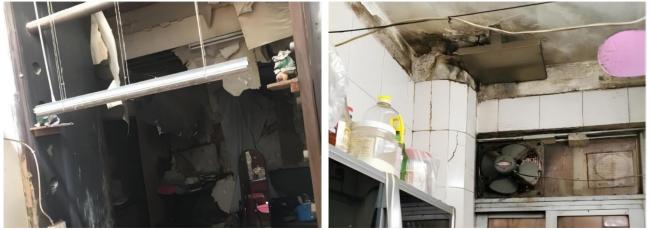
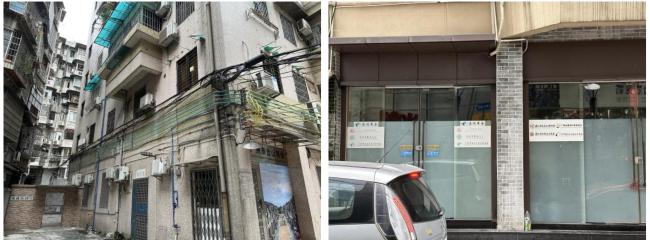
图4 室内基础设施情况及安全隐患(案例4)Fig.4 Indoor infrastructure conditions and safety hazards (Case 4) |
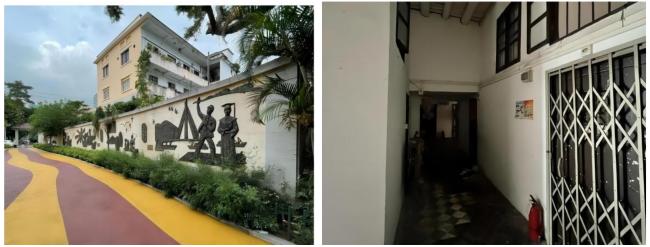
图5 改造后公房周边环境、立面与内部楼道环境(案例7)Fig.5 The surrounding environment, facade and interior corridor of public house after renovation(Case 7) |
表2 调查案例的居住现状与诉求Table 2 Living situationsn and requests of interviewees |
| 案例 编号 | 入住缘起 | 居住环境 | 生活问题/使用情况 | 住房需求/反馈 |
|---|---|---|---|---|
| 1 | 1984年 回广州 | 房子年久失修,维护状况较差。 | 曾是商住两用房,后改为纯居住,家庭成员不具备工作能力,收入较低,仅靠政府补贴维系。 | 目前仅靠退休金难以维持一家生活,希望能改为商住两用,提高收入。 |
| 2 | 20世纪 80年代 拆迁户 | 房屋空间狭小拥促;建筑间距窄,房子采光差,室内潮湿,厨房漏水严重。 | 下岗导致家庭收入减少,子女辈由于房屋面积不足,目前只能分别居住。 | 房子年久失修,维护管养质量不好,希望可以用合适的价格把房子买下来,自己进行装修维护,改善居住环境。 |
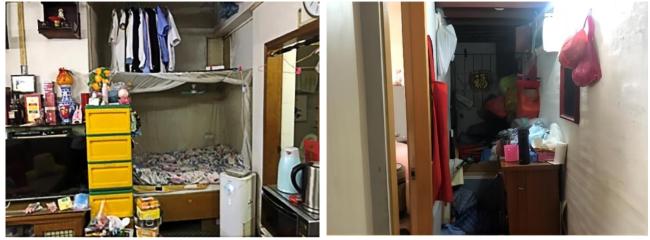
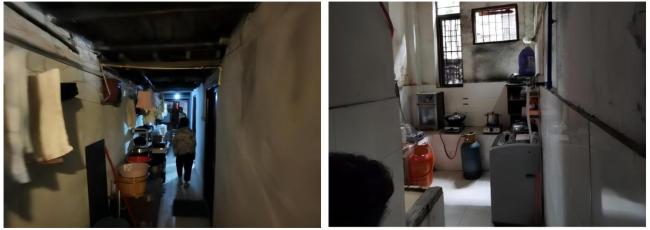
| 3 | 2000年初原公房回收后搬迁 | 房屋空间狭窄,采光较差,室内阴暗,外墙有脱落现象,厨房为公用厨房,十分不便。 | 2000年原长堤公房被政府回收,迁居到此,租户为独居老人,生活不便。 | 希望改善居住环境,有独立厨房。 |
| 4 | 从曾祖父辈 开始居住 | 面积小、一家3口居住较为拥挤,卫生较差,夏天虫蚁较多,房屋木质结构年久失修,白蚁问题严重。 | 产权问题导致公房维护滞后,物业服务较差。老年人对多年的邻里关系有较深感情,而年轻人大多希望走出去。质量较差的公房不仅带来生活上的不便,还有社会上的偏见。 | 根本诉求是改善居住条件。在受访者看来,如果政府能有效改善房屋质量,可接受适当提高租金。此外,需要解决产权问题。 |
| 5 | 从祖父辈 开始居住 | 房子空间狭小,屋内漏水、潮湿,需使用抽湿机,容易产生白蚁,窗户破损,窗外有树木遮挡,采光不足。 | 存在私自加装情况,安全隐患增加,房屋面积不足,导致家庭成员分隔居住。 | 社区条件完善,邻里之间有纽带维系,社区归属感强,然而房子年久失修,上报维护反馈很慢,希望能在这方面有所改善。 |
| 6 | 30多年前入住环卫工宿舍 | 没有厨房和储物空间,房子年久失修,狭小潮湿,蚊虫多。 | 和工友居住在一个房间,需要自行搭建晾晒支架,生活不方便。 | 隔壁有更大面积的公房却无人使用,希望搬进去。 |
| 7 | 40多年前 上山下乡分配 | 室内墙体剥落,厨房空间狭小,社区居住环境有改善。 | 报修之后没有人及时过来维修,住房拥挤问题亟待改善。 | 希望能搬到附近各类配套设施较为完善的社区以及面积更大的公房中居住。 |
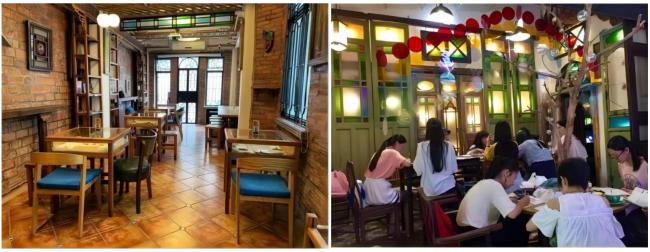
| 8 | 2017年 政府招租 | 目前主要为商业使用,房屋内部延续曾经的传统西关建筑风貌和装饰,外部空间经常有年轻人和艺术家在此活动。 | 永庆坊变成网红地后,社区整体环境变好;吸引了大批年轻人,西关文化得以宣传,但更新改造后的网红打卡地新鲜感和舆论热潮消退快。 | 改变社区性质,给仍在居住的租户带来不便,存在噪音影响。 |
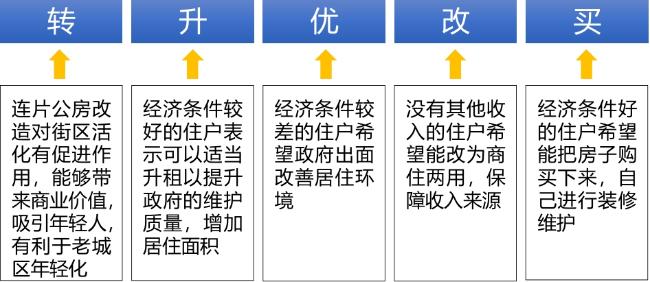
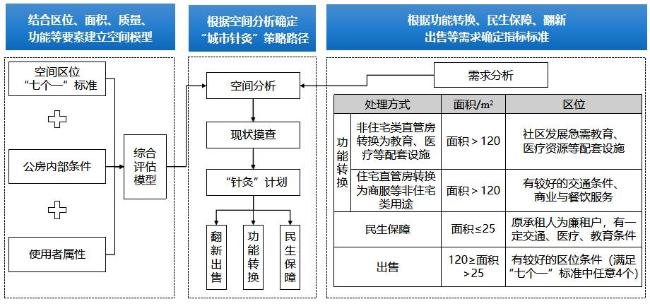
图11 基于综合评估模型明确存量公房开展“城市针灸”的策略路径Fig.11 "Urban Acupuncture" Strategies of stock public houses based on the analysis model |

王建军:负责研究统筹;
陈作任:负责全文撰写,包括前言和第1、2、3、4部分,绘制图9;
周小天:负责部分内容撰写和绘图,包括第1(主要是1.1)、2(2.3中部分内容)、3(主要是3.2)部分和图7、10~12;
詹美旭:负责研究推进与提供指导意见。
|
曹小曙,王妙妙,任慧子,谢昊. 2015. 城市直管公房微整治模式与精细化管理研究. 华南师范大学学报(自然科学版),(5):103-111.
Cao Xiaoshu, Wang Miaomiao, Ren Huizi, and Xie Hao. 2015. A Research of the Fine Management and Micro Regulation Mode of Public House. Journal of South China Normal University(Natural Science Edition), (5): 103-111.
|
|
陈宏胜,李志刚. 2014. 广州住房与保障房的建设与评价. 热带地理,34(6):823-830.
Chen Hongsheng and Li Zhigang. 2014. Construction and Evaluation of Affordable Housing in Guangzhou City. Tropical Geography, 34(6): 823-830.
|
|
Casagrande Ryan. 2006. Urban Acupuncture. Taiwan: Taiwan Architect.
|
|
Casagrande Ryan. 2013. Eco-Acupuncture: Designing and Facilitating Pathways for Urban Transformation, for A Resilient Low-carbon Future. Journal of Cleaner Production, 50: 189-199.
|
|
Coley R L, Sullivan W C, and Kuo F E. 1997. Where Does Community Grow? The Social Context Created by Nature in Urban Public Housing. Environment and Behavior, (4): 468-494.
|
|
丛静,梅琳. 2005. 英国公共住宅政策对我国住房改革的启示. 科技创业月刊,(3):70-73.
Cong Jing and Mei Lin. 2005. The Enlightenment of British Public Housing Policy to China's Housing Reform. Pioneering with Science & Technology Monthly, (3): 70-73.
|
|
De Solà-Morales. 2008. A Matter of Things. Rotterdam: Nai Publishers.
|
|
邓士文. 2020. 基于“都市针灸”理论的社区微更新研究. 广州:华南理工大学.
Deng Shiwen. 2020. "Urban Acupuncture" Theory-Based Research of Community Micro Regeneration. Guangzhou: South China University of Technology.
|
|
杜莹. 2008. 法国大型社会住宅区更新策略研究——以里昂杜歇尔街区为例. 上海:同济大学. [Du Ying. 2008. Research on the Renewal Projects of "Grands Ensembles" in France. Shanghai: Tongji University.]
|
|
郭环,李世杰,周春山. 2015. 广州民间金融街城市更新模式探讨. 热带地理,35(3):364-371.
Guo Huan, Li Shijie, and Zhou Chunshan. 2015. Renewal Mode of Guangzhou Civil Financial Street. Tropical Geography, 35(3): 364-371.
|
|
Lerner J. 2014. Acupuncture Urbana. Washington D C: Island Press.
|
|
李炯扬,蒋文杰,顾昊,殷霞. 2020. 社区公共空间适老化设计中的城市针灸法的应用研究——以苏州市何山花园为例. 建筑与文化,(8):82-84.
Li Jiongyang, Jiang Wenjie, Gu Hao, and Yin Xia. 2020. Research on the Application of Urban Acupuncture in the Design of Community Public Space Suitable for Aging. Architecture & Culture, (8): 82-84.
|
|
刘士余. 1994. 城镇住房制度改革与住房金融的发展. 经济学家,(6):84-95,124. [Liu Shiyu. 1994. Reform of Urban Housing System and Development of Housing Finance. Economist, (6): 84-95, 124.]
|
|
刘晔,潘卓林,冯嘉旋,陈宏胜,刘于琪. 2019. 中国大城市保障房居民情绪幸福感影响因素——以广州市为例. 热带地理,39(2):180-187.
Liu Ye, Pan Zhuolin, Feng Jiaxuan, Chen Hongsheng, and Liu Yuqi. 2019. Factors Influencing Residents' Emotional Well-Being in the Affordable Housing Communities of China's Big City: A Case Study of Guangzhou. Tropical Geography, 39(2): 180-187.
|
|
楼杰. 2012. 老旧直管公房安全隐患及对策建议——以浙江嵊州为例. 中国房地产,(17):44-45.
Lou Jie. 2012. The Hidden Danger and Countermeasure of the Old Public House: Taking Shengzhou of Zhejiang Province as an Example. China Real Estate, (17): 44-45.
|
|
乔硕,张擎. 2017. 广州传统风貌型社区包容性发展的环境微改造. 规划师,(9):29-34.
Qiao Shuo and Zhang Qin. 2017. Micro-Transformation of Environment for Inclusive Development of Guangzhou Traditional Style Community. Planners, (9): 29-34.
|
|
史湘红. 2018. 直管公房与租赁型保障房比较. 住宅与房地产,(21):12,19.
Shi Xianghong. 2018. Comparison between Directly Managed Public House and Rental House. Housing and Real Estate, (21): 12, 19.
|
|
Usama A Nassar. 2021. Urban Acupuncture in Large Cities: Filtering Framework to Select Sensitive Urban Spots in Riyadh for Effective Urban Renewal. Journal of Contemporary Urban Affairs, 5(1): 1-18.
|
|
宋德萱,卜梅梅,周伊利. 2022. 上海老旧住区室外物理环境综合评价体系研究——以三个老公房小区为例. 西部人居环境学刊,37(4):84-92.
Song Dexuan, Bu Meimei, and Zhou Yili. 2022. Comprehensive Evaluation System of Outdoor Physical Environment of Old Residential Districts: Taking Three Old Residential Districts in Shanghai as Examples. Journal of Human Settlements in West China, 37(4): 84-92.
|
|
孙施文. 2007. 公共空间的嵌入与空间模式的翻转——上海“新天地”的规划评论. 城市规划,37(8):80-87.
Sun Shiwen. 2007. Embedding and Subversion of Urban Space Pattern:A Planning Review of "Xin Tian Di" in Shanghai. City Planning Review, 37(8): 80-87.
|
|
Schumacher E F. 1989. Small is Beautiful. New York: Harper Perennial.
|
|
汪文忠. 2015. 我国直管公房管理现状与今后可持续发展路径. 住宅与房地产,(21):60-61.
Wang Wenzhong. 2015. Current Situation and Sustainable Development Path of Direct Public Housing Management in China. Housing and Real Estate, (21): 60-61.
|
|
Wei Zongcai, Chen Tingting, Chiu Rebecca L H, and Chan Edwin H W. 2017. Policy Transferability on Public Housing at the City Level: Singapore to Guangzhou in China. Journal of Urban Planning & Development, (3): 1-11.
|
|
文超,杨新海,文剑钢,石卉楠. 2017. 基于“城市针灸”的城中村有机更新模式探究. 城市发展研究,(11):43-50.
Wen Chao, Yang Xinhai, Wen Jiangang, and Shi Huinan. 2017. The Exploration for Organic Update Model upon "Urban Acupuncture" in Urban Village. Urban Development Studies, (11): 43-50.
|
|
吴玉明. 2007.直管公房经营管理体制的思考. 上海房地,(12):53-54.
Wu Yuming. 2007. Thoughts on Management System of Direct Management of Public Housing. Shanghai Real Estate, (12): 53-54.
|
|
肖薇. 2016. 基于“城市针灸”的历史街区保护更新研究. 武汉:华中科技大学.
Xiao Wei. 2016. Research of the Protection and Renovation of Historical Square in View of Urban Acupuncture. Wuhan: Huazhong University of Science & Technology.
|
|
张家睿,江海燕,宋雨儒. 2019. 基于都市针灸理念的城市更新实践比较:以台北和广州为例. 城市观察,(4):143-151.
Zhang Jiarui, Jiang Haiyan, and Song Yuru. 2019. Comparison of Urban Renewal Practices Based on the Concept of Urban Acupuncture: Case Studies of Taipei and Guangzhou. Urban Insight, (4): 143-151.
|
|
赵丽娜. 2018. 浅谈直管公房管理的经济效益现状及建议. 中国集体经济,(15):17-18.
Zhao Lina. 2018. On the Economic Benefits of Direct Public Housing Management and Suggestions. China Collective Economy, (15): 17-18.
|
/
| 〈 |
|
〉 |