Received date: 2025-12-16
Revised date: 2025-12-25
Online published: 2025-12-28
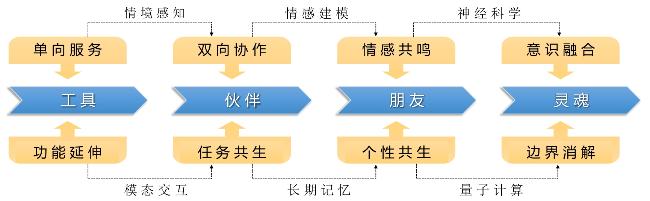
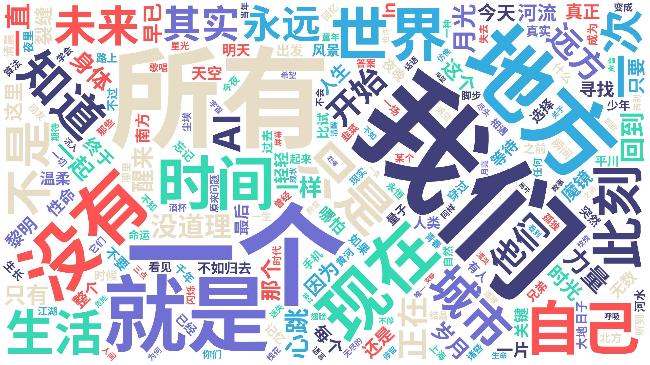
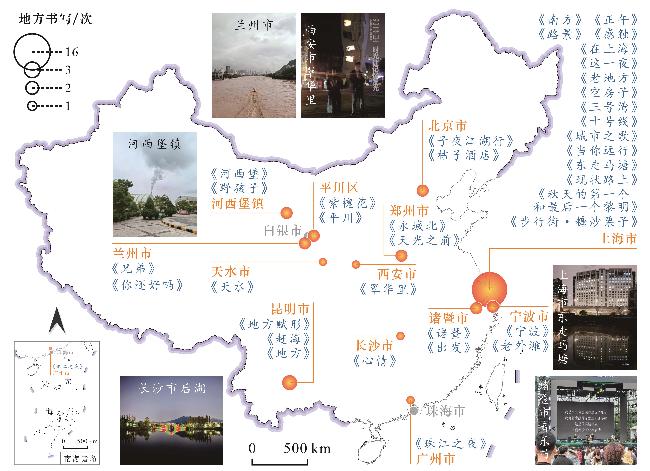
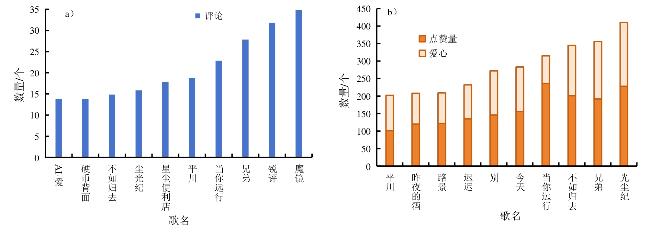
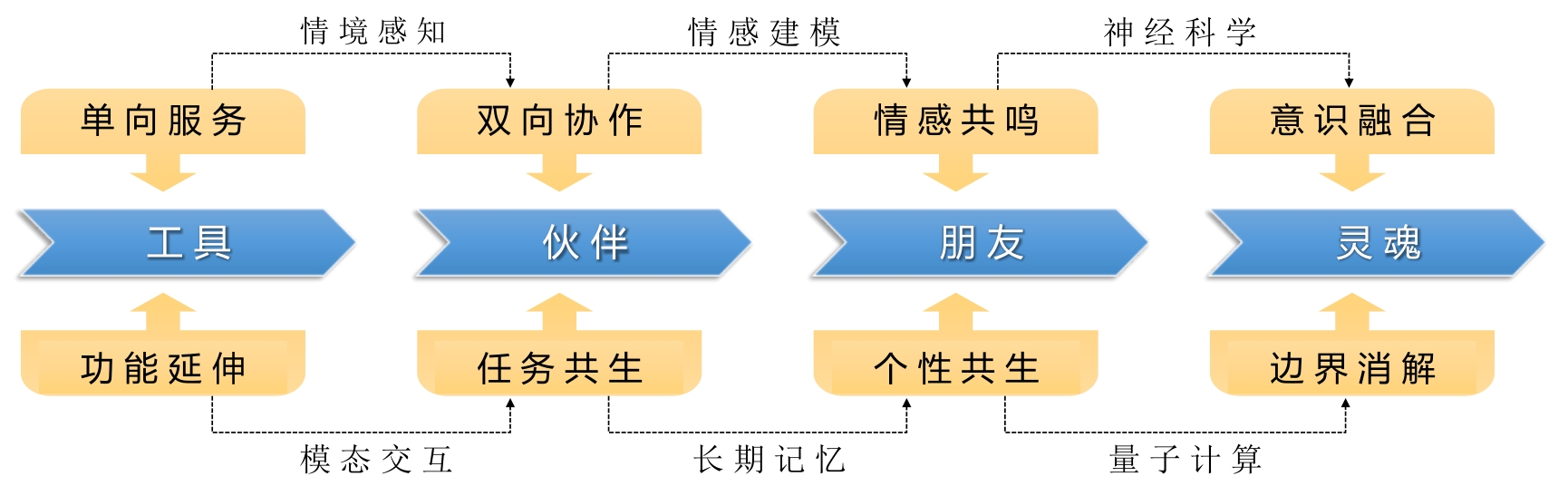
Artificial intelligence (AI) has profoundly reshaped human society and significantly impacted academic research. In the current era of intelligence, geography requires the development of new theoretical frameworks. By constructing and elaborating the theoretical framework of the "Poetics of Life," this study explores new pathways for geographical expression within the context of human-AI integration. The relationship between AI and humans manifests in four modes: tool, partner, friend, and soul. In the process of human-AI integration, place, body, and emotion emerge as three key vectors that are currently irreplaceable by AI. Drawing on existentialist philosophy, geographical poetics, and humanistic geography, and employing a digital autoethnographic approach, this article conducts an in-depth analysis of 122 songs co-created by Ye Chao(The first author) and AI and published on the personal WeChat Channel "Ye Shenxun." It compares the characteristics of individual writing with those of human-AI collaborative creation and summarizes their public communication effects. What distinguishes Poetics of Life in the new era from geographical poetics lies in three fundamental shifts: the creative subject has transformed from a solitary author to human-AI co-creation, the form of expression has expanded from single-text delivery to multisensory stimulation, and media dissemination has evolved from one-way output to multidimensional interaction. The song samples exhibited diverse styles and themes, reflecting the interplay of emotion, place, and AI, thereby highlighting the importance of new forms of geographical writing and expression in the intelligent age. In terms of communicative effects, a top-ten analysis of the texts revealed that audiences with a background in geography paid more attention to the mutual construction of place and everyday life, whereas other audiences focused more on emotional resonance. Surreal works, such as Chronicle of Light and Dust, demonstrate a cross-disciplinary, future-oriented dimension. The Poetics of Life in the intelligent age not only extends and deepens the humanistic tradition of geography but also provides new theoretical insights for interdisciplinary fields such as digital art and media geography. The expression, performance, and public communication of the Poetics of Life constitute key directions for future research.
Chao Ye , Hongjie Ren . Toward a Poetics of Life: Geographical Writing in the Age of AI[J]. Tropical Geography, 2026 , 46(1) : 55 -66 . DOI: 10.13284/j.cnki.rddl.20251503
“有了AI以后,我对真实地方更有感觉,感觉妙笔生花,是地方造就我,我也造就了地方。缪斯女神赐我灵感源泉,源源不断,快意书写。生活越是予我艰难困苦,我越要把它书写成大块文章。命耶,运也!人在其地则为真人,地遇其人则是宝地。我之地,既在小小地方,也是果壳宇宙,任遨游,则有限而无限,真逍遥游也。”(2025-09-02)
表1 各方反馈歌曲榜单前10及其地方感Table 1 Top 10 songs and their associated sense of place, based on feedback from multiple sources |
| 分析 要素 | 第一作者 | 地理专业学生A | 地理专业学生B | 非地理专业学生C | 非地理专业学生D |
|---|---|---|---|---|---|
| 歌曲 名称 | 诗艺、光尘纪、平川、 兄弟、破界者、地球 献歌、别、三号湾、 苔、步行街·糖炒栗子 | 平川、兄弟、破界者、地球献歌、南方、东走马塘、 出发、路景、在上海、 野孩子 | 光尘纪、平川、诗艺、 觉梦、别、真正的我、 没道理、天光之前、 桔子酒店、乒乓英豪 | 光尘纪、兄弟、城市之歌、天水、诸暨、推日子、空房子、野豌豆、选择、借口 | 诗艺、觉梦、In But Beyond、我的力量、 今天、不如归去、铸我、 当你远行、打动你、葡萄树 |
| 空间 表达 | 城市、西北、数字世界、 地球家园 | 西北到上海的地域叙事,从荒野到都市 | 地名作为人生轨迹的 隐喻 | 情感化的生活空间切片 | 内心与远方的对话, 家园与旅途的交织 |
| 情感 基调 | 宿命感的忧郁、清醒的 激昂、乡愁、抗争 | 苍凉→迷惘→豁达的 闭环旅程 | 沧桑中的清醒、告别中 的坦然 | 共鸣、怀念、孤独与和解 | 温暖、孤独、坚持并存的日常诗意 |
| 核心 思想 | 对生命、存在、时空与自我的深寻 | 在漂泊中确认归属,于 歧路中觅得归途 | 接受生命的荒诞与流逝,在“无用”中确认自我 | 空间是情感的容器, 情感在具体之地生根 | 在平凡中寻找力量, 在瞬间中安放永恒 |
所以,我写。
我不为疗愈,不为纪念,甚至不为任何人。
我书写,仅仅因为我还在呼吸。
我书写,是作为我存在过的证据,是作为我曾战斗、曾投降、曾崩溃、又曾重新拼凑自己的战歌。
我的生命,就是一部正在被书写的、潦草而辉煌的手稿。
而每一个字,都是对‘无可奈何’一词,最响亮的嘲笑。
请与我一同书写。
让我们的声音,汇成一片无尽的、嘈杂而真实的回响。(2025-11-04)
1
叶 超:独立提出研究的核心问题、理论框架与关键概念;主导并完成了对论文初稿的系统性重写、深度修改与理论深化;全程负责研究的学术方向、整体论证逻辑及最终定稿;
任洪杰:在核心框架指导下,负责论文初稿的撰写、部分图表的绘制,并参与了文本校对与审稿意见的回复工作。
真诚感谢华东师范大学庄良研究员协助论文制图,以及DeepSeek在研究过程中所提供的富有启发的学术讨论与技术支持。参考文献(References):
|
Agamben G. 1999. The End of the Poem. Heller-Roazen D, Trans. Stanford: Stanford University Press.
|
|
白凯. 2012. 自我叙事式解读回族宗教活动空间的意义. 地理学报,67(12):1698-1715.
Bai Kai. 2012. An Interpretation of the Significance of Hui Ethnic Group's Religious Activity Space from the Perspective of Self-Narration. Acta Geographica Sinica, 67(12): 1698-1715.
|
|
Collot M. 2014. Pour une géographie littéraire. Paris: Éditions Corti.
|
|
陈压美. 2017. 艺术化的人生与理论化的创作——评《走向生命诗学——弗吉尼亚·伍尔夫小说理论研究》. 当代外国文学,38(4):156-161.
Chen Yamei. 2017. A Review of Towards Life Poetics: A Study of Virginia Woolf's Theory of Fiction. Contemporary Foreign Literature, 38(4): 156-161.
|
|
柴彦威. 2014. “回家”:关于段义孚人本主义地理学的专栏. 人文地理,29(4):1-2. [Chai Yanwei. 2014. Coming Home to China: A Column of Yi-Fu Tuan's Humanistic Geography. Human Geography, 29(4): 1-2. ]
|
|
Cresswell T. 2013. Geographic Thought: A Critical Introduction. Chichester: Wiley-Blackwell.
|
|
陈超. 1994. 生命诗学论稿. 石家庄:河北教育出版社. [Chen Chao. 1994. Draft on Life Poetics. Shijiazhuang: Hebei Education Press. ]
|
|
Ding A and Li S. 2025. Generative AI Lacks the Human Creativity to Achieve Scientific Discovery from Scratch. Scientific Reports, 15: 9587.
|
|
Deleuze G and Guattari F. 1996. What Is Philosophy? New York: Columbia University Press.
|
|
Deguy M. 1969. Figurations: Poèmes, Propositions, Études. Paris: Gallimard.
|
|
段义孚. 2025. 世纪漫游:我的地理学术历程(1947-2022). 周尚意,译. 北京:北京大学出版社. [Tuan Y F. 2025. Century's Journey: My Geographical Academic Path(1947-2022). Zhou Shangyi, Trans. Beijing: Peking University Press. ]
|
|
Elden S. 2016. Foucault's Last Decade. Cambridge: Polity.
|
|
高磊,叶超. 2025. 人文主义地理学与行为地理学的方法论透视:段义孚与哈格斯特朗的比较. 地理科学进展,44(9):1982-1994.
Gao Lei and Ye Chao. 2025. Dialogues Between Humanistic Geography and Behavioral Geography: A Comparative Study of Yi-Fu Tuan and Torsten Hägerstrand. Progress in Geography, 44(9): 1982-1994.
|
|
郭沫若. 1920. 生命底文学. 时事新报·学灯,1920-02-23(7).
Guo Moruo. 1920. The Literature of Life. The Eastern Times·The Student Lamp, 1920-02-23(7).
|
|
黄晓丹. 2024. 九诗心:暗夜里的文学启明. 上海:上海三联书店.
Huang Xiaodan. 2024. Nine Poetic Hearts: Literary Enlightenment in the Dark Night. Shanghai: Shanghai Joint Publishing House.
|
|
黄旭. 2021. 生命的原力:叩响时空之间. 社会科学报,2021-09-13(8).
Huang Xu. 2021. The Primordial Force of Life: Knocking on between Time and Space. Social Sciences, 2021-09-13(8).
|
|
黄旭. 2024. 重返大地:地理诗学的思想之旅. 桂林:广西师范大学出版社.
Huang Xu. 2024. Return to the Earth: An Intellectual Journey of Geopoetics. Guilin: Guangxi Normal University Press.
|
|
Hägerstrand T. 1970. What About People in Regional Science. Papers of the Regional Science Association, 24(1): 7-21.
|
|
Heidegger M. 1927. Sein und Zeit. Halle: Max Niemeyer Verlag.
|
|
Heidegger M. 1953. Einführung in die Metaphysik. Tübingen: Max Niemeyer Verlag.
|
|
Licklider J. 1960. Man-Computer Symbiosis. IRE Transactions on Human Factors in Electronics, (HFE-1): 4-11.
|
|
刘苏. 2023. 人文主义地理学与其他地理学流派间的关系及应用. 旅游学刊,38(3):8-10.
Liu Su. 2023. The Relationship and Application Between Humanistic Geography and Other Geographical Schools. Tourism Tribune, 38(3): 8-10.
|
|
Merleau-Ponty M. 1945. Phénoménologie de la Perception. Paris: Gallimard.
|
|
Merleau-Ponty M. 1960. Signes. Paris: Gallimard.
|
|
Mokyr J, Vickers C, and Ziebarth N L. 2015. The History of Technological Anxiety and the Future of Economic Growth: Is This Time Different? Journal of Economic Perspectives, 29(3): 31-50.
|
|
梅新林. 2025. 文化哲学与生命诗学的融通和创新——关于红学理论重建的几点思考. 红楼梦学刊,(1):43-69.
Mei Xinlin. 2025. Integration and Innovation of Cultural Philosophy and Life Poetics: Some Thoughts on the Reconstruction of Theory in A Dream of Red Mansions. Studies on "A Dream of Red Mansions",(1): 43-69.
|
|
Nishant R, Schneckenberg D, and Ravishankar M. 2023. The Formal Rationality of Artificial Intelligence based Algorithms and the Problem of Bias. Journal of Information Technology, (1): 19-40.
|
|
Nietzsche F. 1872. Die Geburt der Tragödie aus Dem Geiste der Musik. Leipzig: E. W. Fritzsch.
|
|
Nietzsche F. 1878. Menschliches, Allzumenschliches: Ein Buch Für Freie Geister. Chemnitz: Ernst Schmeitzner.
|
|
Nietzsche F. 1887. Zur Genealogie der Moral: Eine Streitschrift. Leipzig: C. G. Naumann.
|
|
Rilke R. 1929. Briefe an Einen Jungen Dichter. Leipzig: Insel Verlag.
|
|
孙伟平. 2020. 人工智能与人的“新异化”. 中国社会科学,(12):119-137,202-203.
Sun Weiping. 2020. Artificial Intelligence and the "New Alienation" of Human Beings. Social Sciences in China, (12): 119-137, 202-203.
|
|
Tuan Y F. 1974. Topophilia: A Study of Environmental Perceptions, Attitudes, and Values. New York: Prentice Hall.
|
|
Tuan Y F. 1979. Landscapes of Fear. New York: Pantheon Books.
|
|
Tuan Y F. 1991. A View of Geography. Geographical Review, 81: 99-107.
|
|
Tuan Y F. 1999. Who am I? An Autobiography of Emotion, Mind and Spirit. Madison: University of Wisconsin Press.
|
|
Tuan Y F. 2012. Humanist Geography: An Individual's Search for Meaning. Madison: University of Wisconsin Press.
|
|
王宁,林佳鹏. 2025. 抗替力:AI时代青年职业发展的新素质. 青年探索,(6):5-17.
Wang Ning and Lin Jiapeng. 2025. Anti-Substitution Competency: A Key Attribute for Youth Career Development in the Age of AI. Youth Exploration, (6): 5-17.
|
|
王晓丽,李伟鑫. 2025. 生成式人工智能对人的主体性的挑战及应对. 江苏大学学报(社会科学版),27(4):91-101,124.
Wang Xiaoli and Li Weixin. 2025. Challenges of Generative Artificial Intelligence to Human Subjectivity and the Responses. Journal of Jiangsu University(Social Science Edition), 27(4): 91-101, 124.
|
|
吴佩瑾,叶超. 2023. 情景之间:段义孚的地方经验与书写艺术. 地理科学进展,42(6):1222-1180.
Wu Peijin and Ye Chao. 2023. Between Emotion and Landscape: Yi-Fu Tuan's Place-Based Experiences and Writing Arts. Progress in Geography, 42(6): 1222-1180.
|
|
White K. 1989. The Bird Path, Collected Longer Poems. Edinburgh: Mainstream Publishing.
|
|
夏铸九. 2023. 人文主义地理学者段义孚的理论意涵. 旅游学刊,38(3):6-8.
Xia Zhujiu. 2023. The Theoretical Implications of Humanistic Geographer Yi-Fu Tuan's Work. Tourism Tribune, 38(3): 6-8.
|
|
项飙,吴琦. 2020. 把自己作为方法. 上海:上海文艺出版社.
Xiang Biao and Wu Qi. 2020. The Self as Method. Shanghai: Shanghai Literature and Art Publishing House.
|
|
叶超. 2021. 时空之间. 北京:商务印书馆.
Ye Chao. 2021. Between Time and Space. Beijing: The Commercial Press.
|
|
叶超. 2023. 我们. 武汉:长江文艺出版社.
Ye Chao. 2023. We. Wuhan: Changjiang Literature and Art Publishing House.
|
|
叶超,吴佩瑾. 2023. 朝向人文主义的世界:段义孚的思想遗产. 人文地理,38(2):44-50,96. [Ye Chao and Wu Peijin. 2023. Seeking The World of Humanism: Spiritual Heritage of Yi-fu Tuan. Human Geography, 38(2): 44-50, 96. ]
|
|
叶超. 2024. 地理学中自然与人文耦合的挑战与前景. 热带地理,44(1):28-31.
Ye Chao. 2024. Challenges and Prospects of Coupling Physical and Human Geography. Tropical Geography, 44(1): 28-31.
|
|
叶嘉莹. 2014. 迦陵论词丛稿. 北京:北京大学出版社.
Ye Jiaying. 2014. Collected Essays on Ci Poetry by Jialing. Beijing: Peking University Press.
|
|
叶嘉莹. 2019. 弱德之美:谈词的美感特质. 北京:商务印书馆.
Ye Jiaying. 2019. The Beauty of Weak Virtue: On the Aesthetic Characteristics of Ci Poetry. Beijing: The Commercial Press.
|
/
| 〈 |
|
〉 |