From Historical to Fluid Field: A Study on the Mazu Culture Digital Communication Mechanism at Nansha Tianhou Palace in Guangzhou
Received date: 2025-09-13
Revised date: 2025-12-10
Online published: 2026-04-02
Copyright
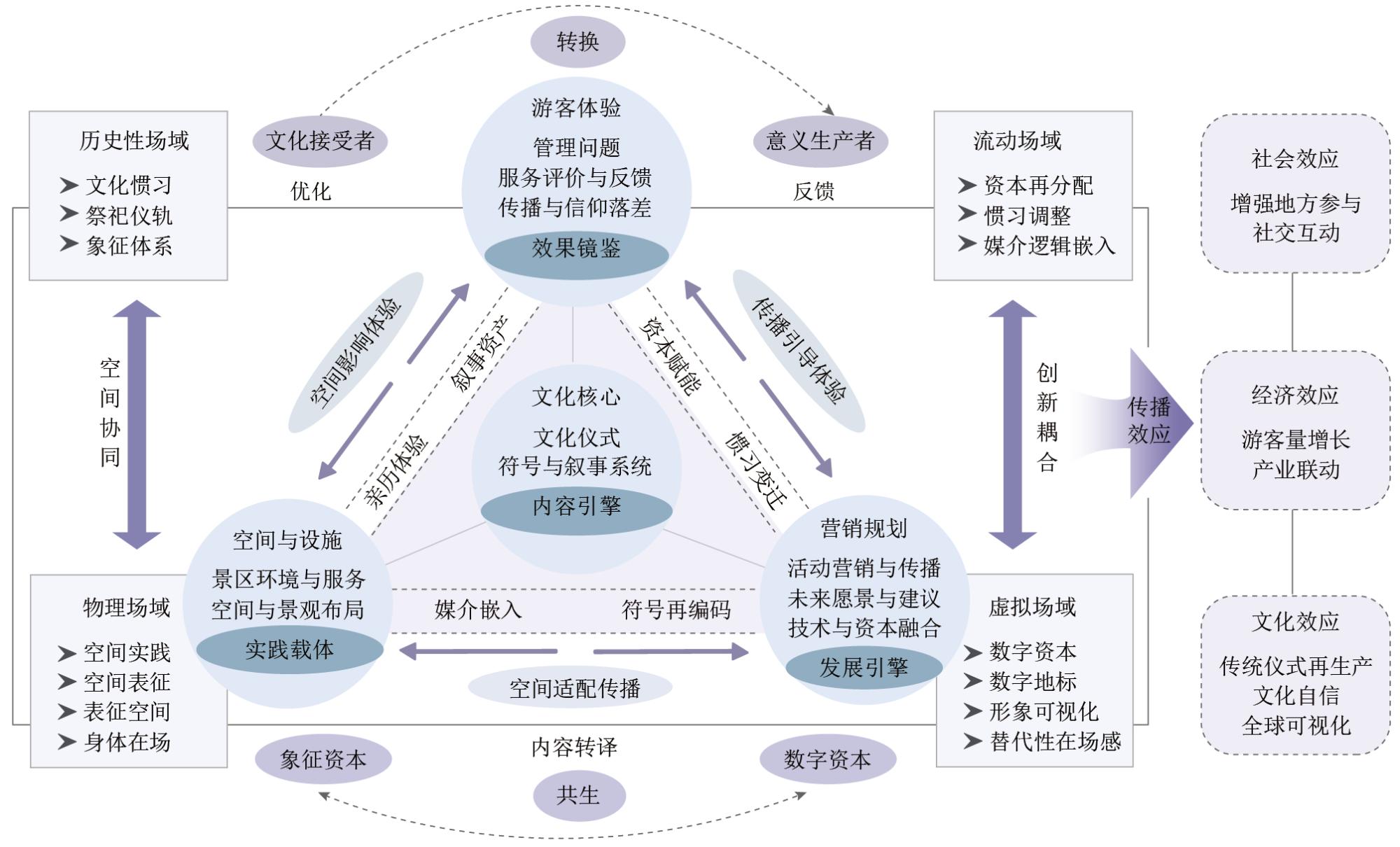
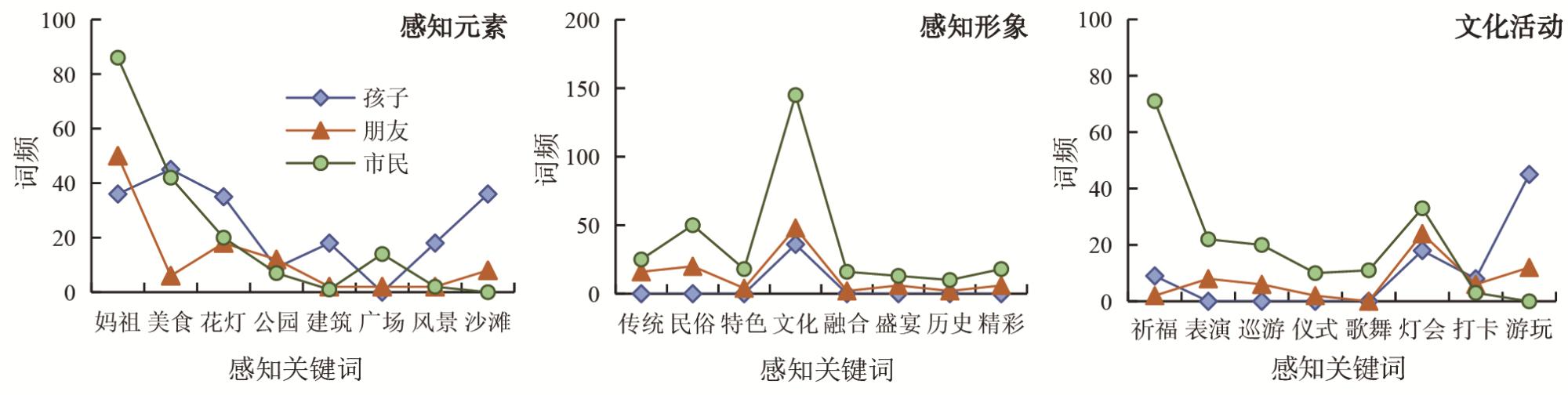
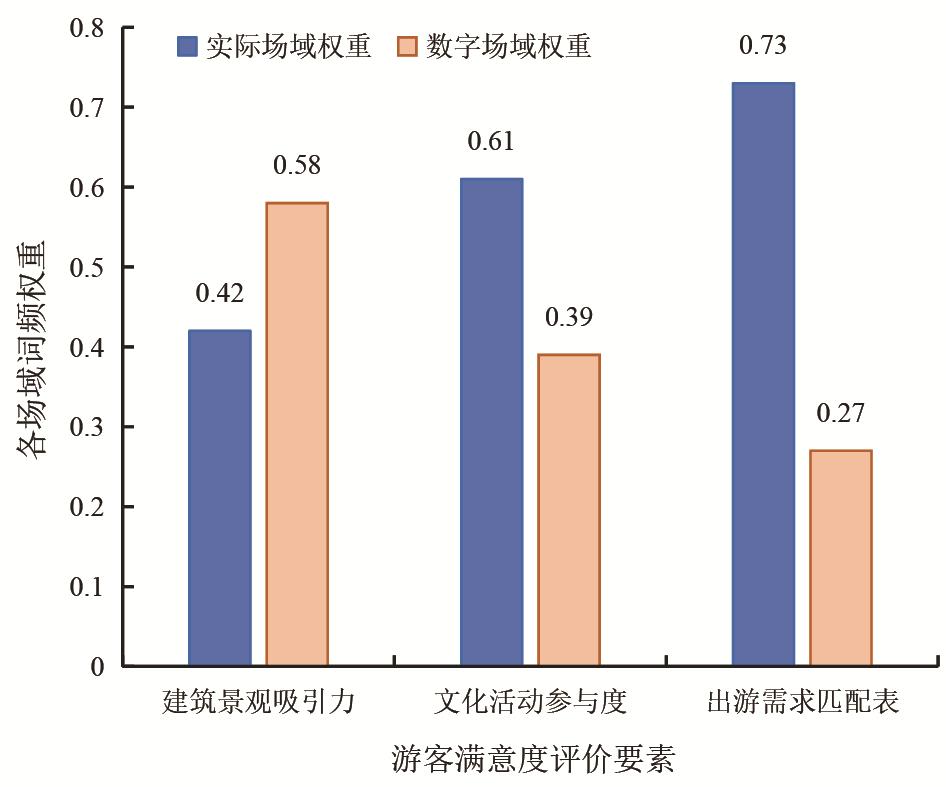
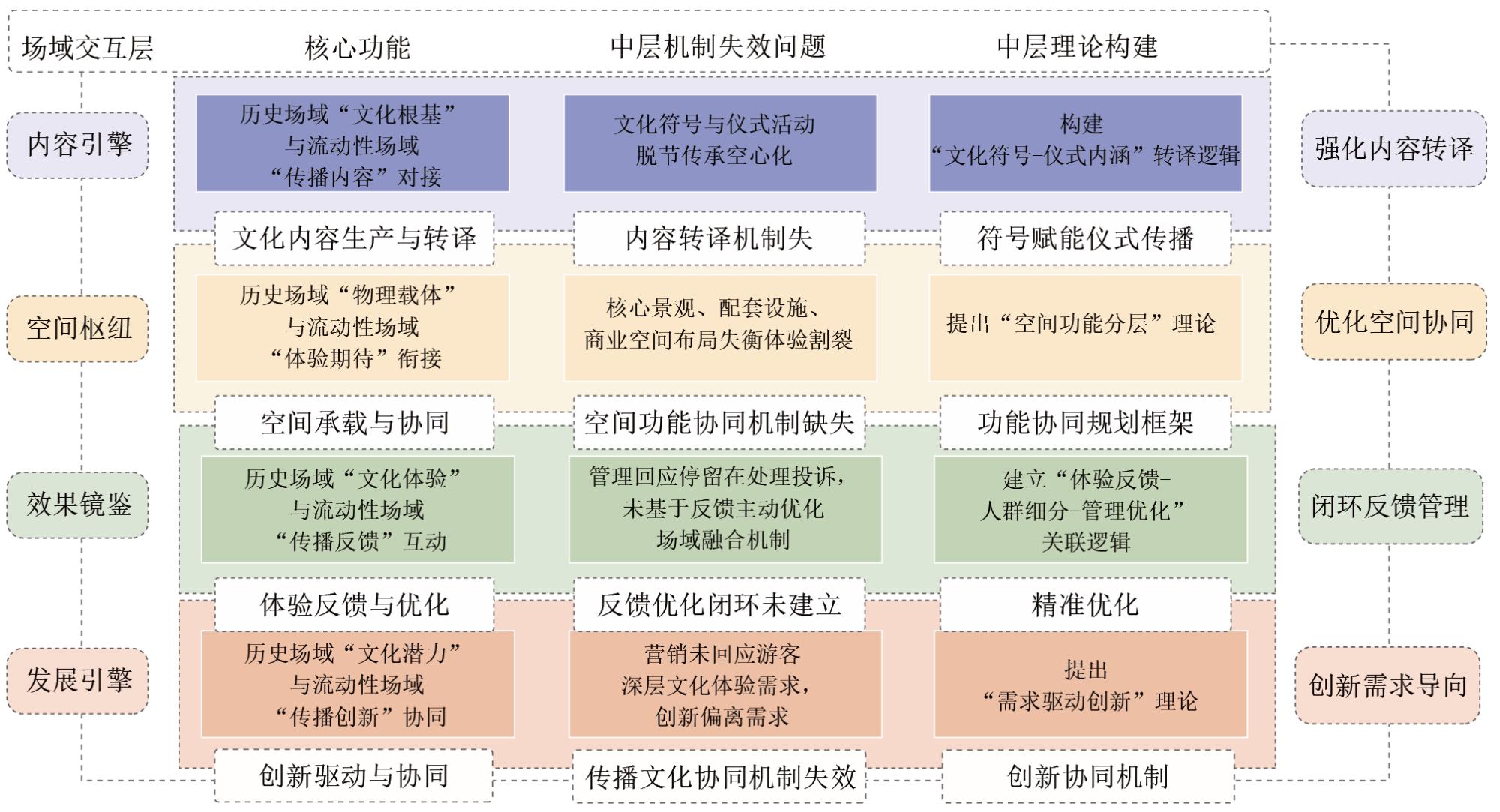
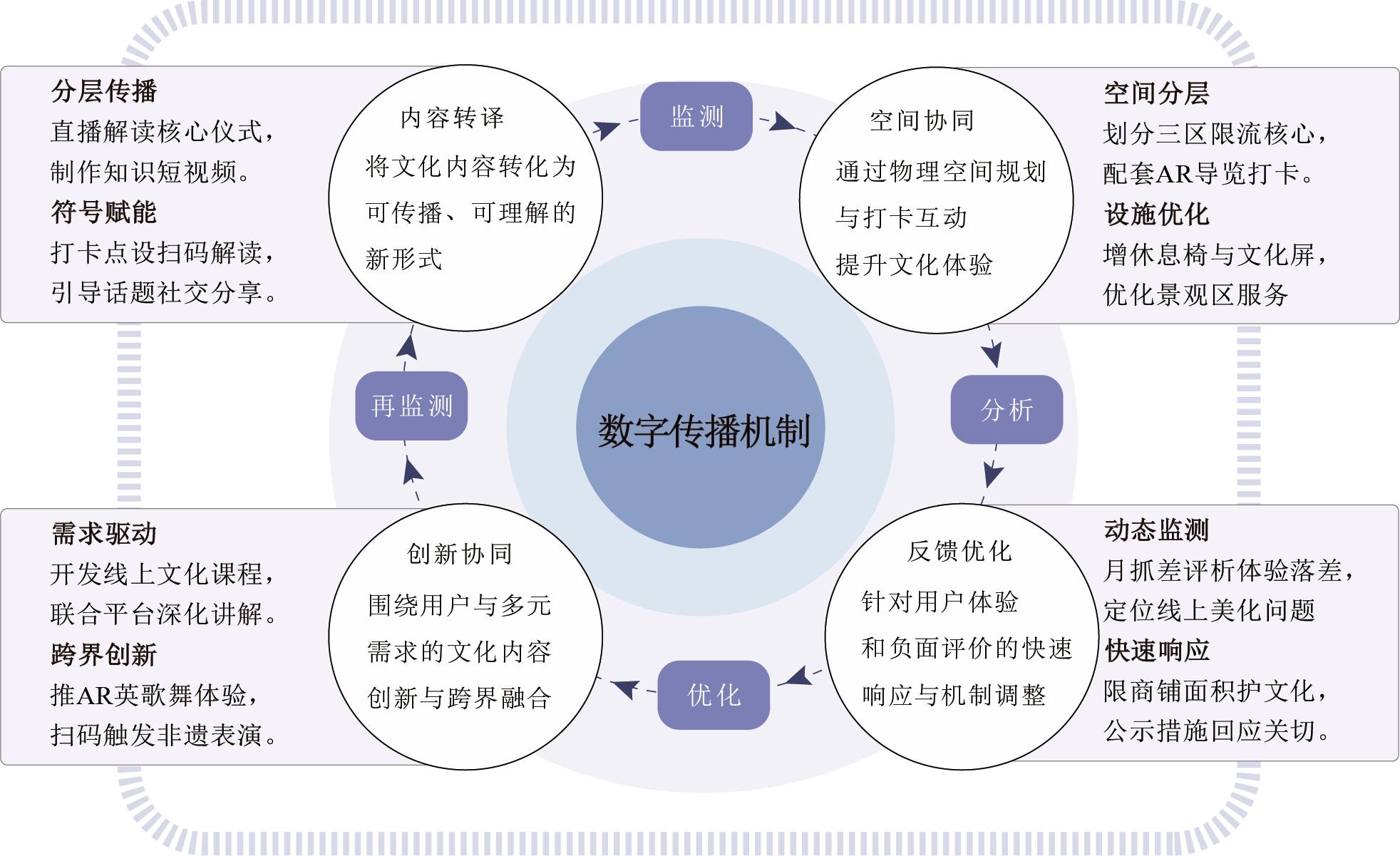
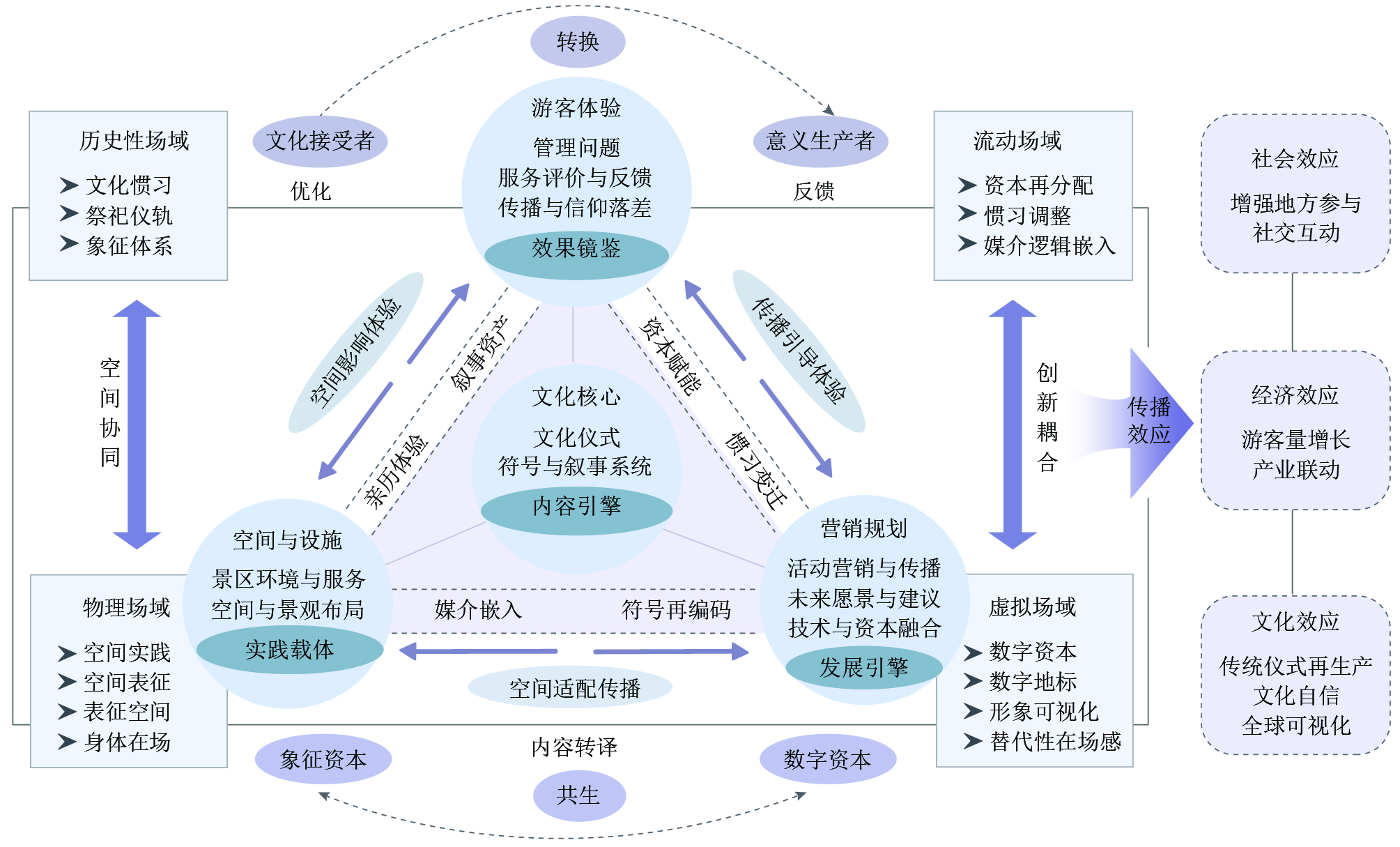
As an important proponent of Mazu culture in South China, Nansha Tianhou Palace is undergoing a structural transformation from a “historical field,” centered on ritual practice and spatial order, to a “fluid field” shaped by digital media and platform-based dissemination. Against the backdrop of increasing cultural heritage mediatization, this study aims to explore how traditional religious spaces are reorganized in the interaction between physical settings and digital platforms and how cultural meanings are reconstructed through mediated communication processes. Specifically, this study considers tourist perception as a key analytical entry point for examining the relationship between spatial experiences and communications effectiveness. Methodologically, this study adopted a mixed qualitative and quantitative approach. A total of 3,838 items of user-generated content from Weibo and Xiaohongshu, spanning 2020 to 2025, were collected and analyzed, together with 22 semi-structured interviews involving tourists, local believers, and site managers. Grounded theory was employed to conduct open, axial, and selective coding, whereas word frequency and sentiment analyses were used to identify patterns in user perception and communications tendencies. Based on these methods, this study constructed an integrated analytical field transformation model consisting of four interrelated dimensions: content translation, spatial carriers, experiential feedback, and communications innovation. The findings revealed a significant shift in focus on cultural engagement. Tourists increasingly prioritize architectural landscapes, visual spectacles, and shareable content over their participation in core rituals. In this process, the cultural capital embedded in traditional belief systems is reconfigured into highly visualized and symbolic media content, leading to a transition in communications dynamics from offline place-based participation to online recirculation. Further analysis demonstrated that this transformation exhibits a structural tendency characterized by “visual enhancement and ritual attenuation.” Cultural meanings are often compressed into easily consumable landscape symbols, resulting in a disjunction between online popularity and offline religious experiences. Platform algorithms and traffic-driven mechanisms accelerate the conversion of cultural capital into media capital, shifting the logic of communications toward visibility, interactivity, and circulation. In addition, we identified the cyclical mechanism underlying this transformation. Offline ritual practices and spatial experiences serve as primary sources of cultural content, which is amplified and redistributed through digital platforms. User participation and feedback during sharing and reinterpretation generate new layers of meaning, which in turn reshape spatial organization and event planning at the physical site. This feedback loop constitutes a dynamic process of continuous field adjustment and evolution, highlighting the mutual construction of the physical and digital domains. Theoretically, this study contributes to the expansion of Bourdieu’s field theory by incorporating the concept of “media capital,” thereby providing an increasingly nuanced framework for understanding cultural transformation in the digital age. It further clarifies the mechanisms through which different forms of capital circulate and interact within hybrid cultural spaces: cultural, symbolic, and media. Practically, the findings offer insights for optimizing digital content design, spatial organization, and visitor experiences at cultural heritage sites. Generally, this study proposes a replicable analytical framework to examine how traditional cultural spaces negotiate authenticity, visibility, and communicative effectiveness under algorithm-driven dissemination.
Chunshan Ke , Shunhe Chen , Jingyi Xiong . From Historical to Fluid Field: A Study on the Mazu Culture Digital Communication Mechanism at Nansha Tianhou Palace in Guangzhou[J]. Tropical Geography, 2026 , 46(4) : 628 -639 . DOI: 10.13284/j.cnki.rddl.20250623
表1 编码结果Table 1 Encoding result |
| 主范畴 | 范畴 | 核心概念(频次/次) | 文本示例 | |
| 文化核心 与仪式 | 妈祖文化 仪式 | 祭祀活动(492)、信仰实践(259)、 非遗表演(124) | “三月廿三看了妈祖祭祀,三献礼很庄严” “求了平安符,明年还愿” “英歌舞表演很精彩” | |
| 文化符号与 叙事 | 妈祖形象(2 137)、文化认同(303)、 传播话语(172) | “妈祖雕像很宏伟,拍了好多照片” “作为南沙人,妈祖文化是我们的根” “视频里没说妈祖的传说” | ||
| 空间与 设施 | 空间与景观 | 核心景观(1 551)、周边联动(1 409)、 自然元素(364) | “南岭塔夜景绝美,必打卡” “天后宫旁边就是沙滩,一起玩了” “面朝大海,环境很舒服” | |
| 景区设施与 服务 | 交通可达性(926)、安全隐患(245)、 门票政策(183)、配套设施(57) | “地铁到客运港再打车,交通方便” “灯会人多,怕孩子走丢” “门票60元,感觉不值” “没找到休息椅” | ||
| 游客 体验 | 景区管理与 运营问题 | 商业化过度(271)、灯会施工封闭(105)、 停车费与乱收费投诉(62)、管理方回应(123) | “到处是卖东西的,不像寺庙” “灯会期间部分区域封了,白跑一趟” “停车收了50元,太贵” “投诉后管理方退了费” | |
| 服务评价与 质量反馈 | 对建筑审美评价(956)、亲子游乐满意度(944)、 祈福灵验反馈(590)、景观体验落差(373) | “红砖建筑很有特色,喜欢” “带孩子玩了游乐区,很开心” “求的签很准,来还愿” “实景没照片好看,有点失望” | ||
| 营销规划 与发展 | 未来愿景 与建议 | 目标客群(329)、管理建议(96)、 改造期待(17) | “适合带老人来祈福” “希望多增加文化讲解” “建议扩大休息区” | |
| 活动营销 与传播 | 节日策划(1 505)、社交媒体(563) | “妈祖文化旅游节很热闹” “在抖音刷到的,特意来打卡” "朋友圈发了灯会照片” |
表2 南沙天后宫游客提及高频元素分类及关联场域属性表Table 2 Classification of high-frequency elements mentioned by tourists at Nansha Tianhou Palace and their associated field attributes |
| 维度 | 高频元素(词频≥3) | 关联行为类型 | 场域属性倾向 |
| 建筑景观 | 正殿、南岭塔、牌坊、献殿、灵惠阁 | 祈福(正殿、献殿);打卡(南岭塔、牌坊) | 实际场域(祈福);数字场域(打卡) |
| 文化活动 | 妈祖祭典、海祭、灯会、汉服巡游 | 祈福(祭典、海祭);打卡(灯会、汉服巡游) | 实际场域(祈福);数字场域(打卡) |
| 出游方式 | 家庭同行、朋友结伴、独自前往 | 祈福(家庭同行为主);打卡(朋友结伴为主) | 实际场域(家庭);数字场域(朋友) |
|
爱德华·W. 苏贾. 2004. 后现代地理学——重申批判社会理论中的空间. 王文斌, 译. 北京: 商务印书馆, 73-74.
Soja Edward W. 2004. Postmodern Geographies: The Reassertion of Space in Critical Social Theory. Wang Wenbin, TranS. Beijing: The Commercial Press, 73-74.
|
|
布迪厄, 华康德. 1998. 实践与反思: 反思社会学导引. 李猛, 李康, 译. 北京: 中央编译出版社, 133-134.
Bourdieu P and Wacquant L. 1998. An Invitation to Reflexive Sociology. Li Meng and Li Kang, Trans. Beijing: Central Compilation & Translation Press, 133-134.
|
|
Cohen E. A Phenomenology of Tourist Experiences. Sociology, 1979, 13 (2): 179- 201.
|
|
范正义. 媒体奇观与妈祖信仰文化传播——以福建省惠安县一瓣香妈祖文化展览馆为例. 世界宗教文化, 2023 (2): 18- 24,2.
Fan Zhengyi. Media Spectacle and the Communication of Mazu Belief Culture: A Case Study of the Yibanxiang Mazu Culture Exhibition Hall in Huian, Fujian. The World Religious Cultures, 2023 (2): 18- 24,2.
|
|
宫留记. 1993. 布迪厄的社会实践理论. 郑州: 河南大学出版社, 122-123.
Gong Liuji. 1993. Bourdieu's Theory of Social Practice. Zhengzhou: Henan University Press, 122-123.
|
|
广州市人民政府. 2021. 南沙天后宫. (2021-09-06)[2025-07-02]. https://www.gz.gov.cn/zlgz/gzly/wzgz/zjcs/dj/content/post_7760640.html.
Guangzhou Municipal People's Government. 2021. Nansha Tianhou Palace. (2021-09-06) [2025-07-02]. https://www.gz.gov.cn/zlgz/gzly/wzgz/zjcs/dj/content/post_7760640.html.
|
|
柯宜坤. 电视节目有效收视率的思考. 长江大学学报(社会科学版), 2012 (3): 181- 182.
Ke Yikun. Reflections on Effective Audience Rating of TV Programs. Journal of Yangtze University(Social Sciences Edition), 2012 (3): 181- 182.
|
|
亨利·列斐伏尔. 2021. 空间的生产. 刘怀玉等, 译. 北京: 商务印书馆.
Lefebvre H. 2021. The Production of Space. Trans, Liu Huaiyu et al. , Trans. Beijing: The Commercial Press.
|
|
吉峰, 潘祥辉. 媒体奇观与传统文化的当代传播——以妈祖文化为例. 新闻爱好者, 2021 (6): 58- 61.
Ji Feng and Pan Xianghui. Media Spectacle and Contemporary Communication of Traditional Culture: A Case Study of Mazu Culture. Journalism Lover, 2021 (6): 58- 61.
|
|
连水兴, 郑登滨. 海峡两岸文化共同体的媒介呈现——以“妈祖之光”大型电视晚会为例. 中国广播电视学刊, 2015 (2): 111- 113.
Lian Shuixing and Zheng Dengbin. Media Representation of the Cross-Strait Cultural Community: A Case Study of the "Light of Mazu" TV Gala. China Radio & TV Academic Journal, 2015 (2): 111- 113.
|
|
刘梦瑶, 王鹏飞, 王超越, 樊立惠. 场域转换视角下游戏产业赋能文旅融合研究——以《黑神话: 悟空》为例. 热带地理, 2025, 45 (7): 1123- 1135.
Liu Mengyao, Wang Pengfei, Wang Chaoyue, and Fan Lihui. Empowerment of the Tourism-Culture Integration by the Game Industry from the Perspective of Field Transformation: A Case Study of Black Myth: Wukong. Tropical Geography, 2025, 45 (7): 1123- 1135.
|
|
Mosco V. 2009. The Political Economy of Communication. London: Sage Publications, 1.
|
|
邵培仁, 杨丽萍. 2010. 媒介地理学. 北京: 中国传媒大学出版社, 333.
Shao Peiren and Yang Liping. 2010. Media Geography. Beijing: Communication University of China Press, 333.
|
|
时磊, 陆小黑. 场域、资本与惯习的互构: 安徽湖阳“跳五猖”傩舞传承的行动逻辑及实践启示. 武汉体育学院学报, 2025, 59 (8): 65- 71.
Shi Lei and Lu Xiaohei. The Interconstruction of Field, Capital and Habitus: The Logic and Practical Implications of the Inheritance of the "Tiao Wuchang" Nuo Dance in Huyang, Anhui. Journal of Wuhan Institute of Physical Education, 2025, 59 (8): 65- 71.
|
|
帅志强. 民俗传播: 妈祖雕塑的视觉修辞与身份认同. 未来传播, 2022a, 29 (5): 66- 74.
Shuai Zhiqiang. Folklore Communication: Visual Rhetoric and Identity of Mazu Sculptures. Future Communication, 2022a, 29 (5): 66- 74.
|
|
帅志强. 雕塑类妈祖图像的历时演变与视觉修辞变迁. 世界宗教研究, 2022b (4): 68- 76,129-132.
Shuai Zhiqiang. The Diachronic Evolution and Visual Rhetorical Changes of Mazu Sculpture Images. Studies in World Religions, 2022b (4): 68- 76,129-132.
|
|
王佳怡, 张拓, 庞守贵. 跨文化传播中的叙事控制: 经济、技术与文化因素的机制性探析. 东南传播, 2025 (11): 49- 53.
Wang Jiayi, Zhang Tuo, and Pang Shougui. Narrative Control in Cross-Cultural Communication: A Mechanistic Analysis of Economic, Technological and Cultural Factors. Southeast Communication, 2025 (11): 49- 53.
|
|
王强, 叶明天. 2025. 文化符号须与时代同频共振. 社会科学报, 2025-12-18(06).
Wang Qiang and Ye Mingtian. 2025. Cultural Symbols Must Resonate with the Times. Social Sciences Weekly, 2025-12-18(06).
|
|
张柏韡. 中国民间信仰与民心相通——妈祖信仰网络的跨境互动. 宗教与美国社会, 2020 (1): 317- 347, 367.
Zhang Baiwei. Chinese Folk Belief and People-to-People Connectivity: The Cross-Border Interaction of the Mazu Belief Network. Religion and American Society, 2020 (1): 317- 347, 367.
|
|
张军华. 网络圈层化传播特征与主流文化传播的破圈和出圈. 海南师范大学学报(社会科学版), 2022, 35 (1): 128- 134.
Zhang Junhua. Characteristics of Online Circle Communication and the Breaking and Going Out of Mainstream Culture Communication. Journal of Hainan Normal University(Social Sciences Edition), 2022, 35 (1): 128- 134.
|
|
祝淮修, 黄培芳(纂), 中山市人民政府地方志办公室, 中山市档案馆(主编). 2022. 嘉靖〈香山县志〉校注. 黄健敏, 校注. 广州: 广东人民出版社.
Zhu Huaixiu and Huang Peifang (comp.); Zhongshan Local Gazette Office and Zhongshan Archives (eds.). 2022. Jiajing Xiangshan Gazetteer (Annotated Edition). Huang Jianmin (annot.). Guangzhou: Guangdong People's Publishing House.
|
/
| 〈 |
|
〉 |